BANK OF ALBANIA
PRESS RELEASE
Governor Sejko: Address to the Parliamentary Committee on Economy, Employment and Finance on the Presentation of the Bank of Albania Annual Report 2025
Publication date: 12.06.2026
Honourable Chair,
Honourable Members of the Parliament,
It is a privilege to appear before this esteemed Committee to present the Bank of Albania’s Annual Report for 2025. As I have emphasised on previous occasions, the Bank of Albania regards its regular dialogue with Parliament as a cornerstone of institutional transparency and democratic accountability, giving practical meaning to central bank independence and strengthening our ability to fulfil our mandate effectively.
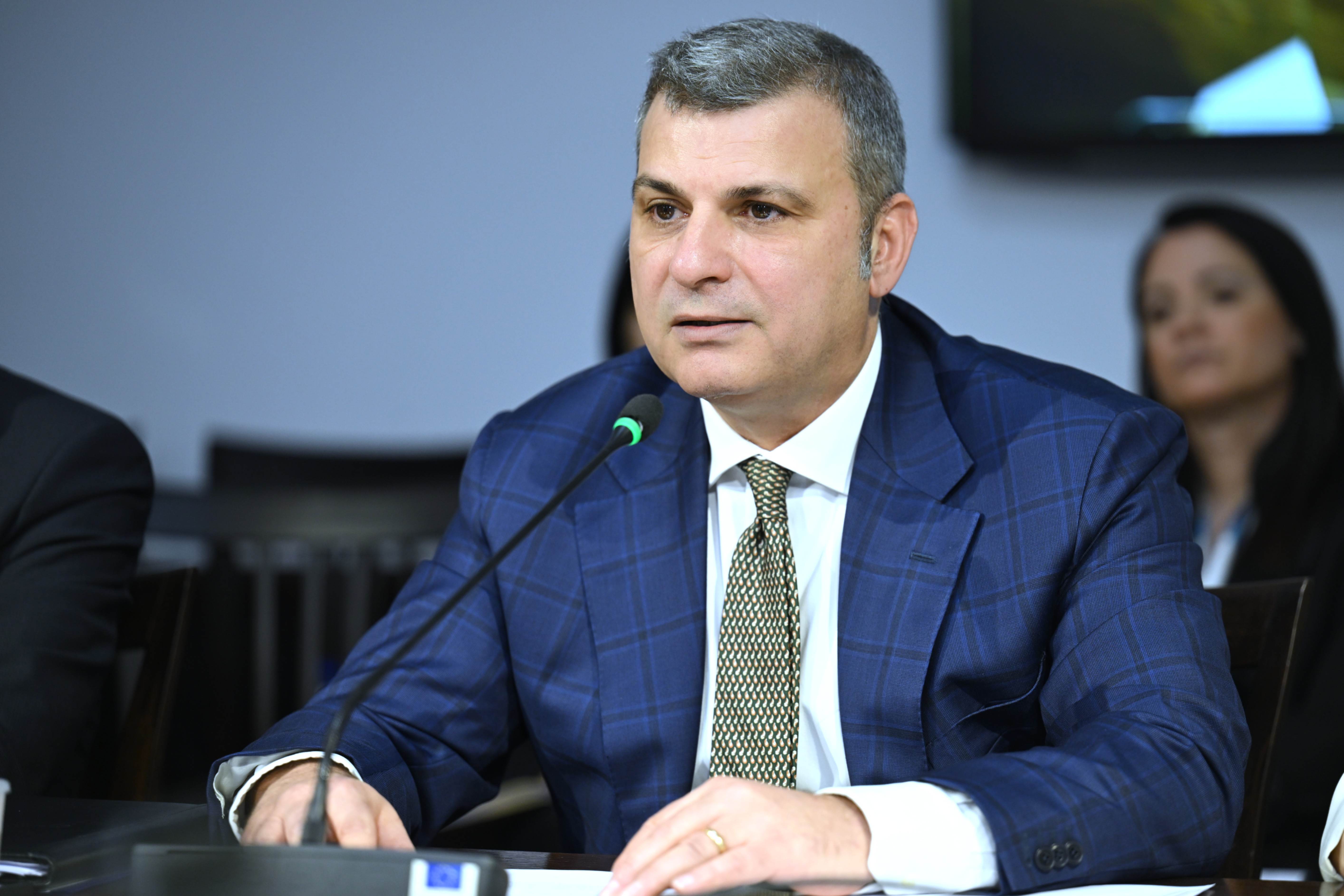
This mission has remained unchanged: to safeguard price stability and support the financial stability of the country, as indispensable preconditions for sustainable, inclusive, and long-term economic growth.
In this context, I am pleased to note at the outset of my remarks that the Bank of Albania has successfully delivered on these objectives.
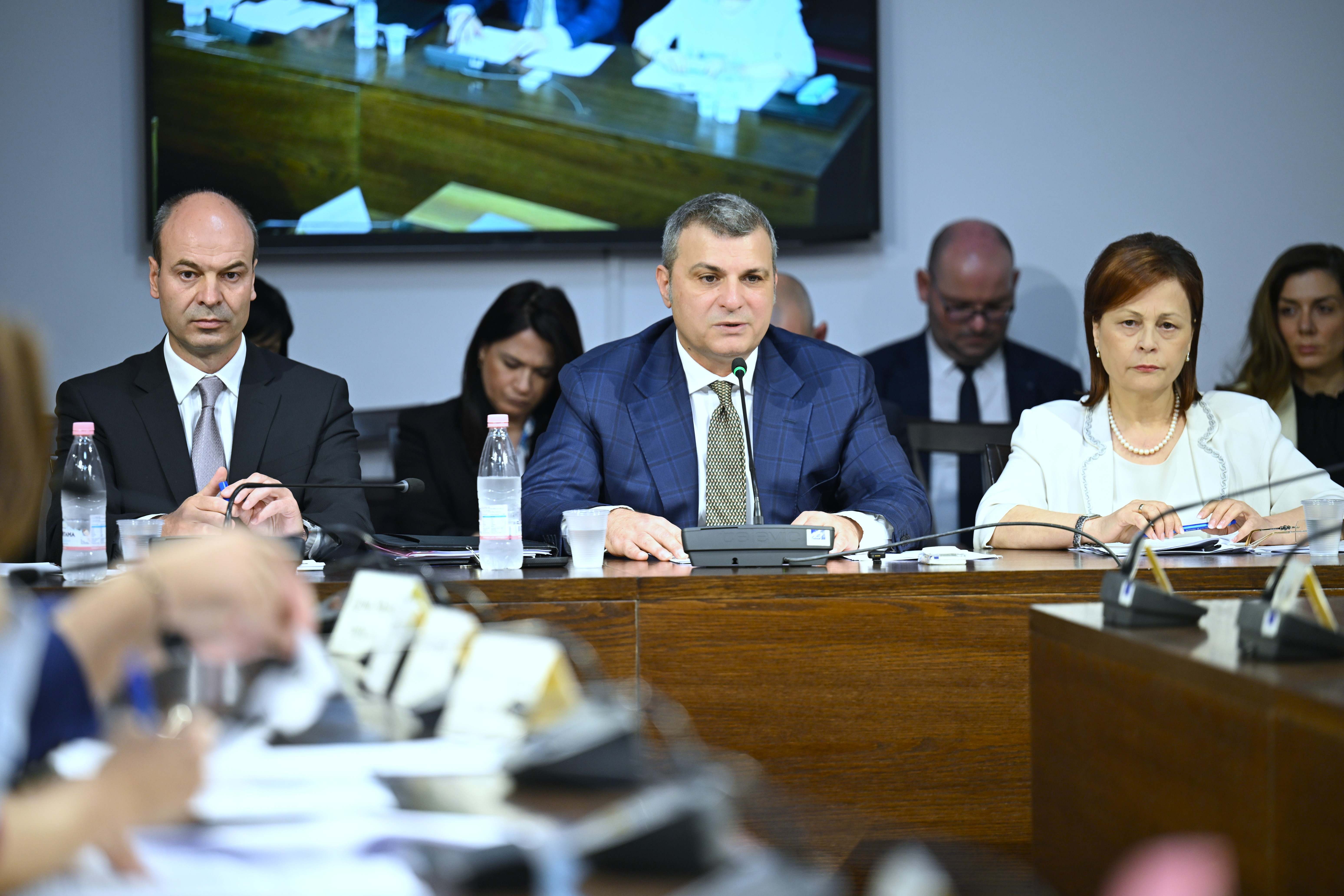
Our prudent monetary policy has preserved an environment of low and stable inflation, as reflected in well-functioning financial markets, contained risk premia, favourable financing conditions, and robust growth in credit to the private sector. In parallel, our regulatory, supervisory, and macroprudential policies have contributed to a further strengthening of the banking sector’s soundness. As a result, the financial stability of Albania has been further reinforced, the resilience of the banking system to potential shocks has increased, and financial intermediation has expanded at an accelerated pace, both in qualitative and quantitative terms.
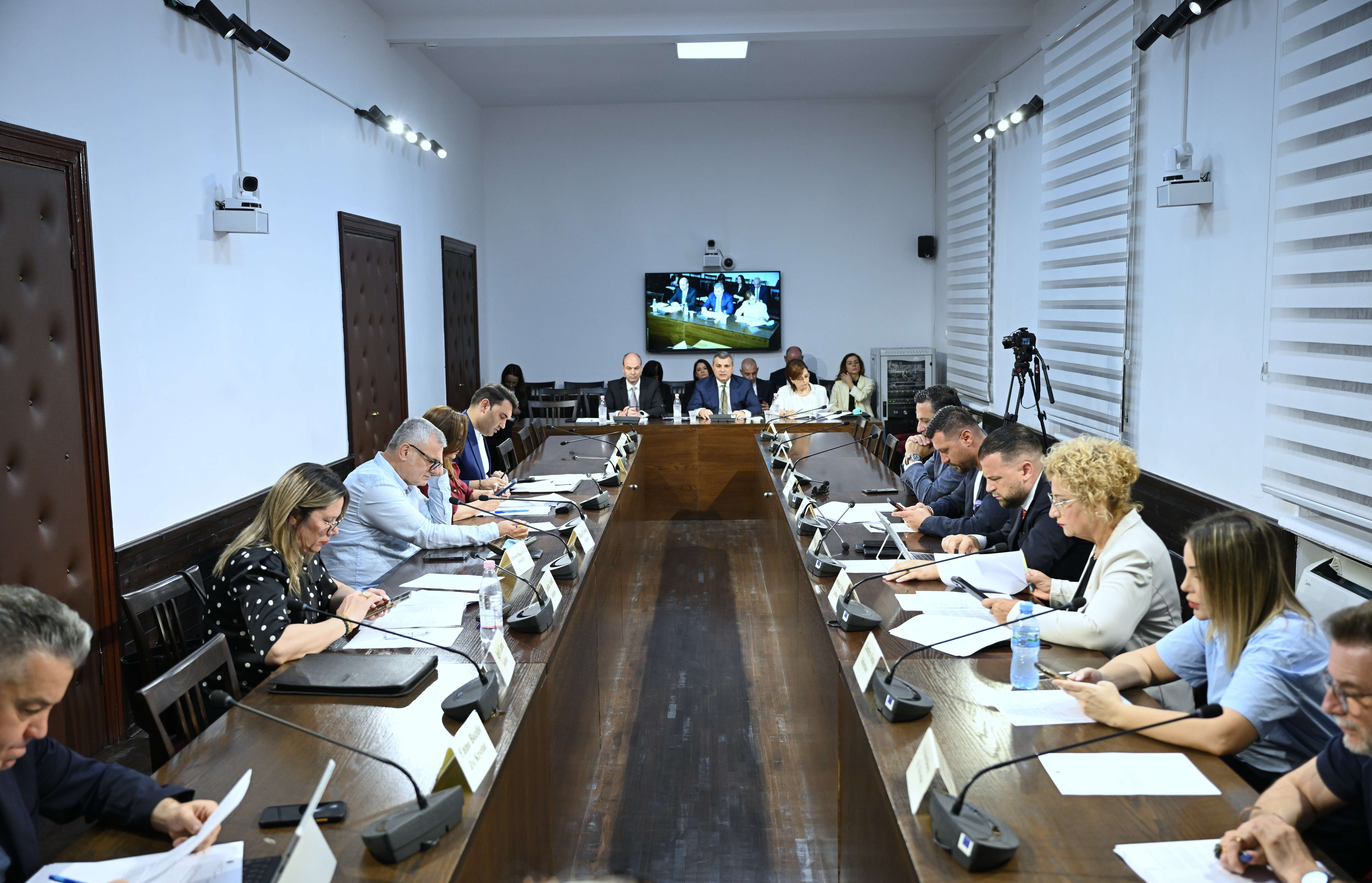
The monetary and financial stability has enabled the Albanian economy to maintain its positive growth trajectory throughout 2025 as well.The volume of economic activity, wages, and employment in the non-agricultural private sector recorded solid growth, supporting higher incomes and improved financial positions for both Albanian businesses and households. In parallel, the main indicators of the country’s economic: the current account deficit, budget deficit, public debt, and external debt declined, while the Bank of Albania’s international reserves increased. These developments suggest that the Albanian economy rests on sound growth fundamentals and that its resilience to potential shocks has strengthened further.
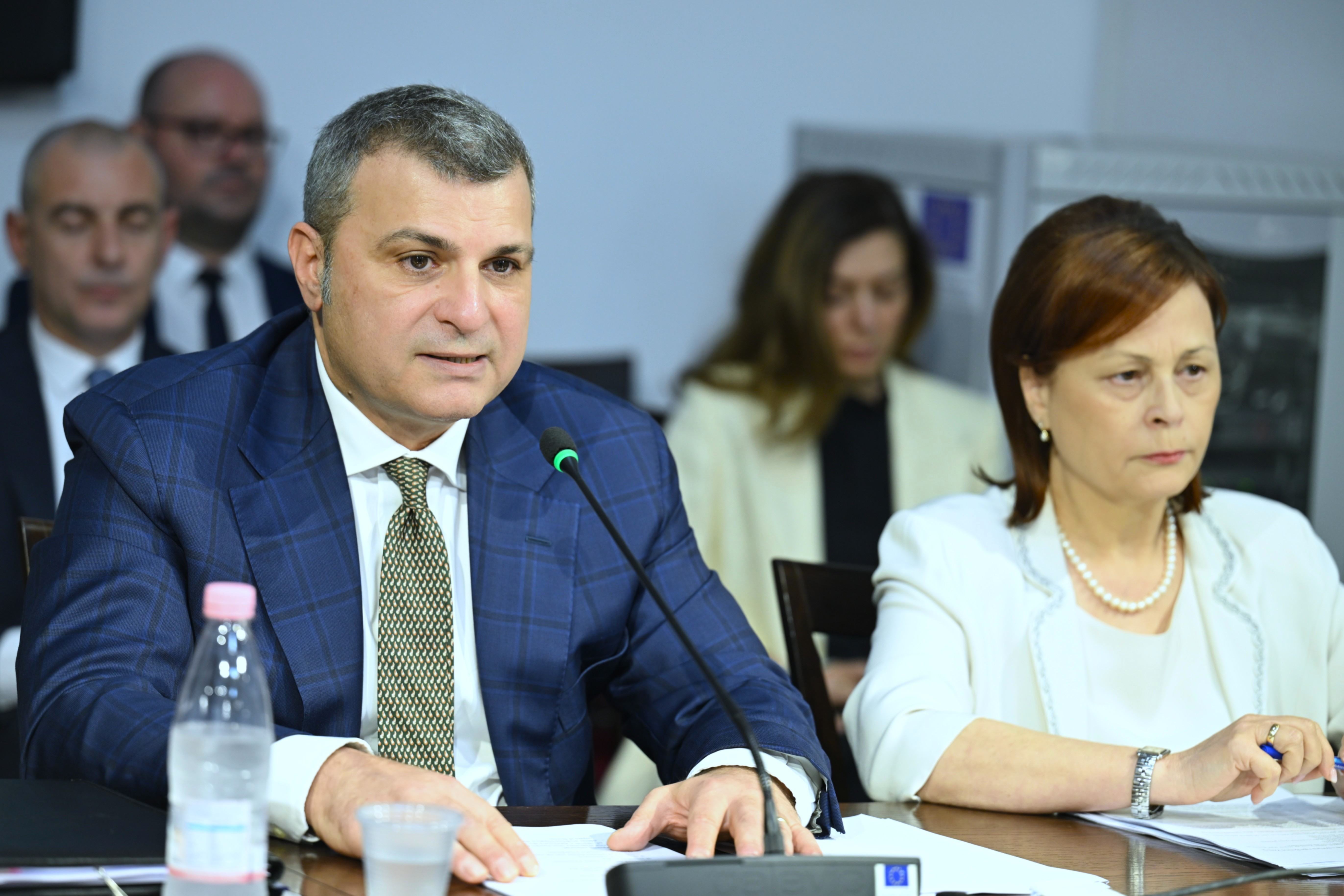
Alongside the fulfilment of our primary mandate, the Bank of Albania continued to advance the implementation of its legal responsibilities and institutional commitments.
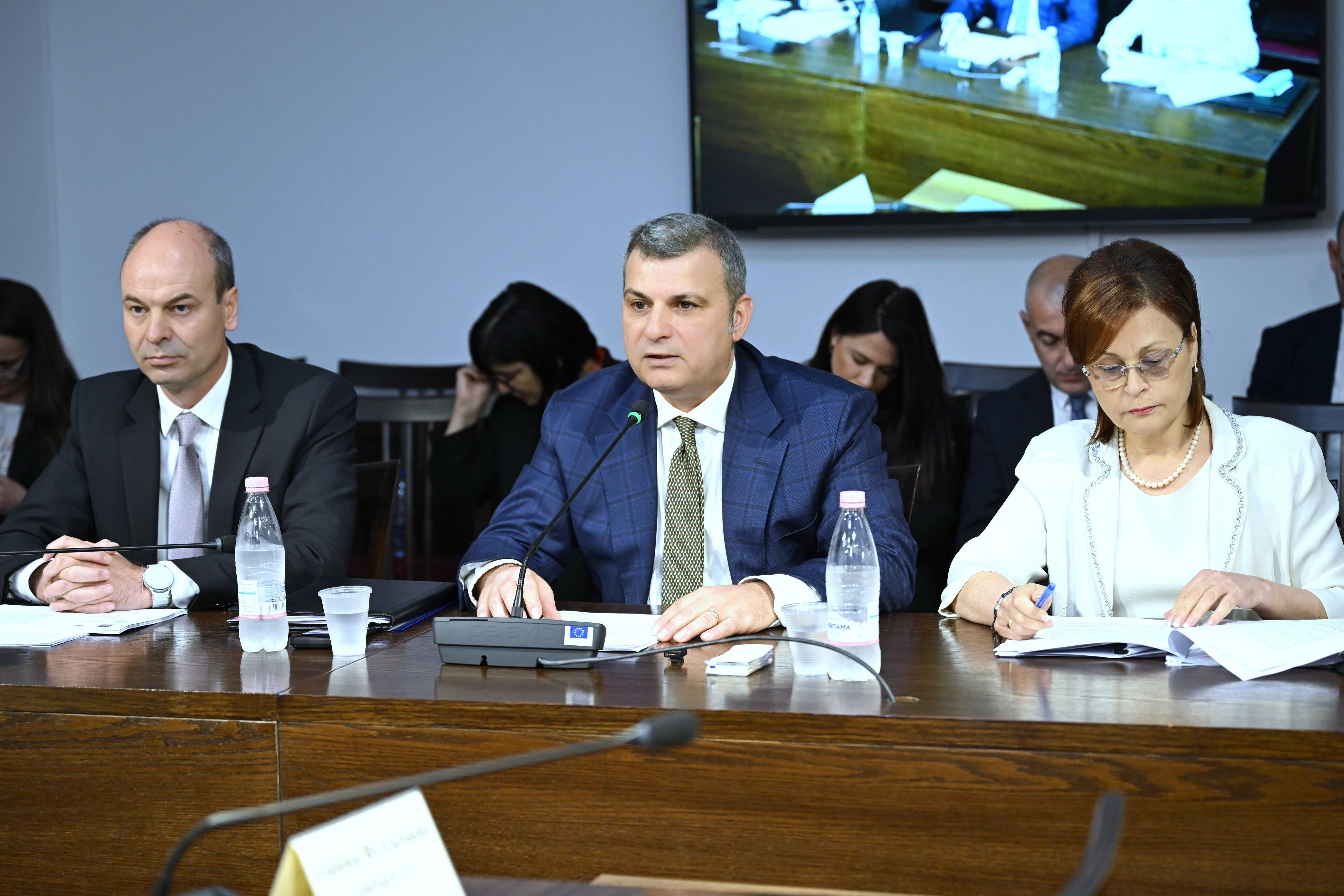
I would like to highlight the progress made in the further development of the payment system through the implementation of more advanced technological platforms, the enhancement of the regulatory framework, and the reduction of transaction costs. Albania’s membership in SEPA and the commencement of transactions in October 2025 marked the culmination of these reforms.
I would also like to underscore that the Bank of Albania has worked consistently to fulfil its institutional responsibilities under the European integration process, both through ongoing dialogue with European partners in the field of economic and monetary policy, and through the fulfilment of its obligations within the five chapters of alignment with the Acquis where it is involved.
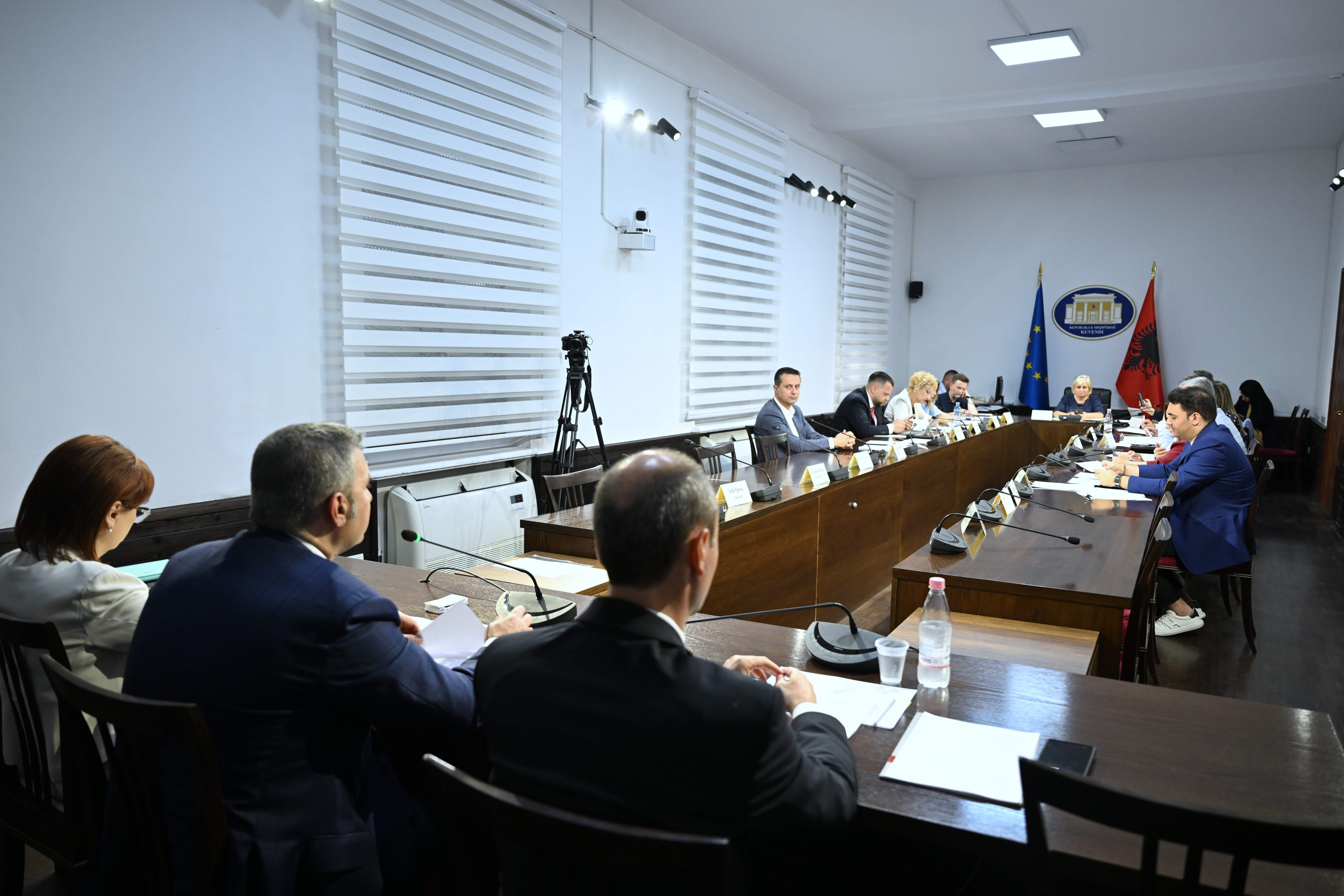
Honourable Members of Parliament,
In the remainder of my address, I will focus on the main conclusions of the Bank of Albania’s Annual Report for 2025. The report provides an overview of our work and results over the past year, beginning with price stability, economic performance, and monetary policy.
- Economy, inflation, and the monetary policy of the Bank of Albania
The Albanian economy performed positively throughout 2025.
Economic activity in Albania grew by 3.8%, supported by sound private-sector balance sheets, a favourable confidence environment, higher tourism revenues, favourable financing conditions, and credit growth. These factors underpinned the expansion of private consumption, investment, and services exports. At the same time, fiscal policy remained consolidated, while exports of goods declined. From a sectoral perspective, economic growth was reflected in the expansion of activity in the services and construction sectors, while agricultural production and industrial activity continued to contract.
The increase in demand for goods and services was mirrored in a further improvement in labour market indicators over 2025. Employment and wages in the private non-agricultural sector increased by 5.7% and 8.5%, respectively, while the unemployment rate reached its lowest level in the past three decades.
In parallel with these developments, consumer price inflation averaged 2.2%, unchanged from the previous year. Overall, inflation has remained low and stable over the past two years, below but close to the Bank of Albania’s target.
From a consumption basket perspective, this performance over 2025, reflected low and stable inflation in food items, higher inflation in rents and services, and lower inflation in non-food and durable goods. From a macroeconomic perspective, inflation dynamics have reflected low and declining non-core and imported inflation, driven by the appreciation of the exchange rate and lower international commodity prices. By contrast, domestic inflationary pressures have edged up slightly, while remaining consistent with the price stability objective, reflecting a better balance between demand and supply in product and labour markets, as well as a firmer anchoring of inflation expectations.
Price stability, in line with the objective, remains the key indicator of overall economic stability. This stability has further strengthened across most of its dimensions during 2025. Allow me to be more specific.
First, the external position of the country strengthened further. The volume of Albanian exports reached EUR 10 billion in 2025, an increase of 10.5% compared with the previous year, with their ratio to GDP reaching the highest level of the post-transition period. At the same time, the current account deficit narrowed to 0.7% of GDP, external debt declined to 38% of GDP, and international reserves increased to EUR 7.3 billion. Overall, these developments point to an economy that is more competitive in international markets and more resilient to external shocks.
Further elaborating on this point, the structural improvement in the external position of the economy in recent years has been reflected in the relatively fast and continuous appreciation of the lek exchange rate, a trend which continued in 2025, albeit at a more moderate pace.
Second, the fiscal position of the country also improved. The budget deficit was estimated at 1.8% of GDP, while public debt declined to 52.9% of GDP. The decline in public debt in recent years reflects the fiscal consolidation process, underpinned by positive primary balances, economic growth, and the strengthening of the exchange rate. This improvement in the fiscal position is a welcome development, contributing to lower risk premia in domestic financial markets, broader financing space for the private sector at lower costs, and enhanced sustainability of public finances and capacity to respond to potential shocks.
Third, the banking sector maintained strong capitalisation, liquidity, and profitability, while continuing to reduce the non-performing loan ratio. These developments supported credit supply and the provision of banking services, facilitating a more effective channelling of savings into credit to the private sector.
This economic overview, reflects, to a considerable extent, the contribution of the Bank of Albania’s prudent monetary policy, which has been implemented in a timely and appropriate manner through the use of its most effective instruments to preserve price stability.
Thus, in response to inflation developments and the strengthening of the exchange rate, the Bank of Albania pursued an easing of the monetary policy stance during 2025. This was reflected in the reduction of the policy rate in July and the continued presence of the Bank in the domestic foreign exchange market. The reduction of the policy rate to 2.5% aimed to, and contributed to, a decline in interest rates in the financial market. By contrast, the Bank’s increased presence in the domestic foreign exchange market aimed to better balance the supply and demand for foreign currency, mitigate short-term exchange rate fluctuations, and prevent deviations from fundamentals. These risks have been, and remain, a potential source of risk to the country’s price and financial stability.
Based on the above, I would like to emphasise that the monetary policy pursued during 2025 has been consistent with our price stability objective and effective in fulfilling our mandate. The easing stance and the instruments employed supported the anchoring of inflation expectations, the smooth functioning of financial markets, and the establishment of adequate monetary conditions conducive to economic growth and financial stability of the country.
More specifically, these measures were reflected in financial markets characterised by ample liquidity, contained risk premia, low interest rates, a more stable exchange rate dynamic, and robust credit growth.
In this context, credit to the private sector grew by 14.4% in 2025, driven by the expansion of lek-denominated lending, primarily directed towards business investment. Both lending trends, observed over recent years, are positive for the long-term development of the economy. Lending growth in the national currency strengthens the effectiveness of monetary policy and reduces the economy’s exposure to exchange rate fluctuations, while investment financing supports the expansion of productive capacity and the long-term growth potential of the economy.
[Honourable Members of the Parliament,
Allow me to turn to the second pillar of the Bank of Albania’s activity: our contribution to strengthening financial stability through the drafting and implementation of macroprudential policy, prudential regulation, rigorous supervision of banking activity, and the enhancement of resolution capacity.]
- Banking supervision and financial stability
Recent years have shown that financial stability in Albania is not the result of chance, but of prudent policies, effective supervision, and continuous reforms undertaken by the Bank of Albania. Against a complex environment characterised by sharp structural change and technological and climate-related challenges, the Albanian financial system has continued to improve in both qualitative and quantitative terms, while demonstrating resilience, flexibility, and strong capacity to withstand shocks.
In particular, in 2025 the Albanian banking system maintained a robust financial position, supported by strong capitalisation, liquidity, and profitability. The capital adequacy ratio reached 20.36%, while return on assets (RoA) and return on equity (RoE) stood at 1.64% and 15.94%, respectively, with liquidity remaining well above regulatory requirements. At the same time, credit portfolio quality continued to improve, as the non-performing loan ratio declined to 3.8%, its lowest level since 2008. This outcome reflects the benefits of the structural reforms undertaken over recent decade, the strengthening of financial discipline within the banking sector, and the effectiveness of our regulatory and supervisory measures.
For the purposes of financial stability consolidation, the Bank of Albania continued to monitor systemic risks through its macroprudential framework. Our assessments indicated that these risks remained contained, while stress-test results confirmed that the banking sector possesses sufficient capacity to withstand adverse shocks. At the same time, we introduced upper limits on banks’ exposure to potential risks in the residential real estate market through loan-to-value and debt-service-to-income caps. These measures are intended to protect both borrowers and banks against adverse shocks in the residential real estate market. In parallel, the banking sector continues to comply with capital adequacy requirements, including both microprudential and macroprudential capital buffers.
In the field of banking supervision, during 2025 we continued our efforts to strengthen the regulatory and supervisory framework and further align it with European Union standards.
In this regard, the continuation of the equivalence process, in close cooperation with the European Banking Authority, represented an important milestone. This process aims to confirm the alignment of our regulatory framework and supervisory practices with the most advanced European standards and methodologies, thereby supporting the faster integration of the Albanian banking sector into the Single Market and creating the conditions for a further reduction in financing costs. At the same time, we continued our work on the drafting of the new Law on Banks and the amendments to the Law on Payment Services, in line with the relevant European Union directive (PSD).
In parallel, we devoted particular attention to strengthening the integrity of the financial system through the implementation of MONEYVAL recommendations, the completion of the preparatory phase for the next assessment, and enhanced inter-institutional cooperation, particularly with the Financial Intelligence Agency (FIA).
In addition, against the backdrop of an increasingly digitalised economy, we assigned high priority to safeguarding the operational resilience of the banking sector. In this regard, we have prepared the Cyber Risk Self-Assessment Guideline and continued the alignment of our regulatory framework with the European standards established under the Digital Operational Resilience Act (DORA).
In parallel, our supervisory activity remained focused on monitoring exposures to credit, market, and operational risks, assessing compliance with regulatory requirements, and evaluating the adequacy of internal risk management and control systems. These supervisory reviews, conducted in accordance with risk-based supervision principles, were accompanied by the issuance of recommendations and corrective measures, including, where necessary, the adoption of relevant administrative actions.
Finally, in the area of resolution, 2025 also marked further progress in strengthening banks’ capacity to absorb losses and recapitalise through internal resources. At year-end, the Resolution Fund exceeded ALL 7 billion, covering approximately 80% of the target level set for 2027. These indicators illustrate the strengthening of the resilience of the banking sector and the enhancement of its capacity to manage crisis situations effectively.
Taken together, these developments demonstrate that the Albanian financial system is today stronger, more resilient, and better prepared to face future challenges. Looking ahead, the Bank of Albania will remain committed to safeguarding financial stability, strengthening prudential supervision, advancing regulatory reforms, and further aligning its framework with European standards.
[Next, I will briefly address some other aspects of the activity of the Bank of Albania]
- Other activities
Beyond its core mandate of maintaining price and financial stability, the Bank of Albania continued to fulfil its broader statutory responsibilities and institutional commitments. These efforts focused on advancing the modernisation of the country’s financial infrastructure, ensuring the supply of high-quality banknotes and coins to the economy, maintaining an adequate level of international reserves, promoting financial education, strengthening institutional capacities, and supporting the acceleration of the European integration process.
A key achievement in 2025, with direct benefits for Albanian citizens and businesses, was the further modernisation of the payment ecosystem. The alignment of national payment systems with the most advanced international standards, the enhancement of the regulatory framework, and the operationalisation of SEPA have enabled faster, safer, and significantly more cost-effective financial transfers. Bank payments recorded annual growth of 22.7% in volume and 18% in value, while electronic and digital payments recorded an annual increase of 25.7% compared with the previous year. Furthermore, following the operationalisation of SEPA in October, approximately 166,000 SEPA transactions were processed, totalling EUR 2.2 billion, all within a single quarter.
These developments reflect the Bank of Albania’s sustained investment in: modernising the national payments infrastructure and its integration with European payment platforms; enhancing the regulatory framework; and promoting financial education. In this regard, I would like to identify two important developments during 2025:
- First, the introduction of regulatory measures aimed at eliminating, or substantially reducing, fees on domestic bank payments denominated in lek and euro.
- Second, the commencement of work on the development of a modern real-time payment platform, based on the TIPS model and aligned with the infrastructure used across the European Union, which will further support the adoption of electronic payments in Albania. These developments are transforming the way citizens and businesses access and use financial services, supporting greater formalisation of economic activity, broader financial inclusion, and the digitalisation of the Albanian economy.
In parallel with the efforts to promote electronic payments, the Bank of Albania continued to ensure the secure and efficient circulation of high-quality banknotes and coins, thereby preserving public confidence in the lek as a symbol of the country's monetary and financial stability.
At the same time, considerable progress was made within the framework of the European integration process. The continued alignment of the legal, regulatory, and statistical framework with the ACQUIS and EU standards has enhanced the institutional convergence and brought the Albanian financial system closer to the European architecture. Throughout 2025, work continued for addressing the closing benchmarks set by the European Commission for each negotiation chapter, in line with the objective of concluding accession negotiations by 2027.
In this context, the Bank of Albania remained actively engaged in its role as lead institution for Chapter 4 – Free Movement of Capital and Chapter 17 – Economic and Monetary Policy, coordinating the preparation and implementation of the respective action plans. The Bank of Albania also contributed to the preparation of action plans aimed at addressing the closing benchmarks for other chapters, including Chapter 9 – Financial Services, Chapter 18 – Statistics and Chapter 28 – Consumer Protection. Currently, the Bank of Albania is working towards the full alignment of its legislative framework, including: the Law on the Bank of Albania, the Law on Banks in the Republic of Albania, the Law on Payment Services and the Resolution Law.
The Bank of Albania also continued to strengthen public trust by enhancing transparency, communication, and financial literacy. In this regard, activities undertaken during 2025 assumed a particular significance as the Bank of Albania celebrated the 100th anniversary of its founding. As noted on previous occasions, this milestone represented not only an opportunity to reflect on the Bank’s institutional history, but also a moment to articulate its vision for the decades ahead. Through the events and initiatives organised throughout the year, the Bank sought to further strengthen public engagement with the institution, enhance awareness of the country’s monetary history, and promote a broader understanding of the importance of financial stability for societal well-being. At the same time, the Bank’s research agenda focused on topics of strategic importance for the Albanian economy, supporting decision-making formulation and enriching professional debate.
Finally, in 2025, further progress was made in strengthening internal governance, control mechanisms, and risk management frameworks. The reinforcement of audit processes, improvements in operational security and enhanced response capacity within the business continuity framework have further strengthened the Bank of Albania’s institutional resilience and efficiency. At the same time, the adoption of the Medium-Term Development Strategy 2026–2028 has clarified the Bank’s institutional priorities and provided a solid foundation for its further modernisation in the period ahead.
***
Honourable Members of Parliament,
The results achieved in 2025 demonstrate that a prudent, coordinated, and forward-looking approach to the design and implementation of economic policies delivers tangible outcomes. Sustainable economic growth contained inflation, record-high international reserves, and a sound banking sector are important achievements that have strengthened the resilience of the Albanian economy and laid solid foundations for the country’s further advancement.
At the same time, preserving and consolidating these achievements requires continued vigilance, as the economic and financial environment remains complex and challenging. Uncertainty in international markets, geopolitical tensions, shifts in trade policies, and volatility in commodity prices continue to pose risks to the global economy and to our country.
In particular, the increase in oil prices in international markets during 2026 constitutes a negative supply-side shock for Albania and its trading partners. At present, the volatile nature of developments makes a full assessment of the spillover effects of this conflict particularly challenging. Though, we deem that its effects on the Albanian economy are expected to be limited and short-lived. Our economy has a relatively moderate exposure to this shock and retains sufficient space for a careful and proportionate policy response. In this context, I would like to reaffirm that the Bank of Albania will closely monitor inflation developments and stand ready to respond in a timely manner to prevent second-round effects and safeguard price stability.
Over the longer term, structural challenges remain equally important. Addressing these challenges requires the continuation of prudent macroeconomic policies and the acceleration of structural reforms that strengthen human capital, expand the economy’s productive base, and enhance long-term growth potential of the country. In this context, the Bank of Albania will continue to exercise its mandate with professionalism, independence, and transparency, safeguarding monetary and financial stability, supporting the European integration process, and serving the long-term interests of Albanian citizens.
Thank you for your attention!
 Linkedin
 X
X
 Facebook
 Instagram
 Flickr
 Albanian Money App
 RSS
RSS
 Subscribe
 Contact
 Feedback