BANK OF ALBANIA
PRESS RELEASE
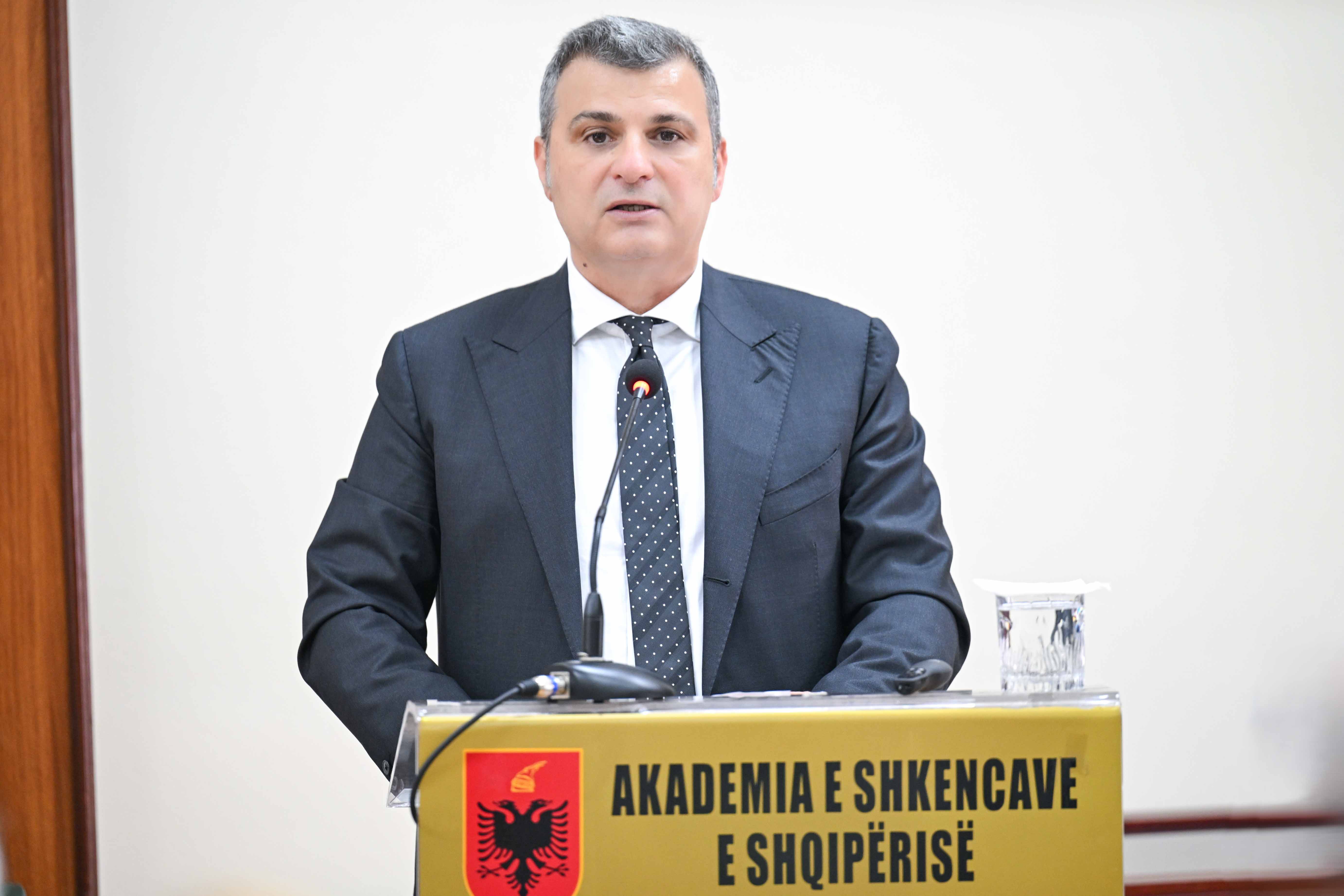
Governor Sejko: Greeting Remarks at the Workshop ''Cashless Albania'' organised by the Academy of Sciences of Albania
Publication date: 26.06.2026
Dear friends and colleagues,
This workshop takes place at an important moment in our country's agenda for financial modernization. The transition to a cashless economy is far more than a matter of technological innovation. It represents a broader structural transformation of both Albanian society and our financial system.
Today's forum is a clear demonstration of our institutions shared commitment to advancing this important agenda. In addition, today's workshop provides an important opportunity to take stock of the progress achieved so far and to identify the challenges that still need to be addressed.
For many years, the Bank of Albania has been a driving force behind the modernisation of the national payments landscape, aimed at reducing the use of cash and unlocking its benefits.
Albania was the first country in the region to transpose the European regulatory framework for payment services, known as PSD2. This regulatory framework opened the market to new fintech providers, fostering innovation and enabling the delivery of digital payment services that are more accessible, convenient, and cost-effective. It also introduced the concept of open banking to the Albanian market, which is no longer a vision but a reality, placing Albania among the leading countries in the region in this area.
Another important legislative milestone has been the adoption of the Law on payment accounts with basic feature, which aims to promote greater financial inclusion. The law enables citizens who previously had limited or no access to banking services—including pensioners, students, and other vulnerable groups—to open a payment account at no or reduced cost and to benefit from secure and convenient electronic payment services.
Additionally, we have ensured the provision of new payment infrastructures, such as the AIPS Euro system, which has made it possible to avoid long lines at bank counters for making euro payments between banks, and reduced the high commissions applied by transfers through correspondent banks.
Our national payment systems have also been upgraded to the latest European standards for financial messaging, ensuring their interoperability with European payment infrastructures and facilitating their future integration into these systems. To encourage the use of electronic payment instruments, we have introduced regulatory measures establishing caps on the fees charged to consumers, with differentiated limits for over-the-counter transactions and those conducted through digital channels.
The culmination of these legal, regulatory, and infrastructural reforms has been Albania's membership in SEPA. Today, all banks operating in Albania, together with one non-bank payment institution, are participants in SEPA. This represents a historic achievement, not only for the Bank of Albania but for the country as a whole. Through SEPA, Albanian citizens and businesses can now make cross-border euro payments with the same ease, speed, and efficiency as users within the European Union, while also benefiting from stronger integration into European trade and value chains. Euro-denominated transfers with SEPA members are now up to 20 times cheaper compared to a year ago, before Albania’s accession to the scheme. International studies suggest that Albania could save up to EUR 70 million in the first year alone from lower transaction costs under SEPA, without considering the broader spillover effects on the economy.
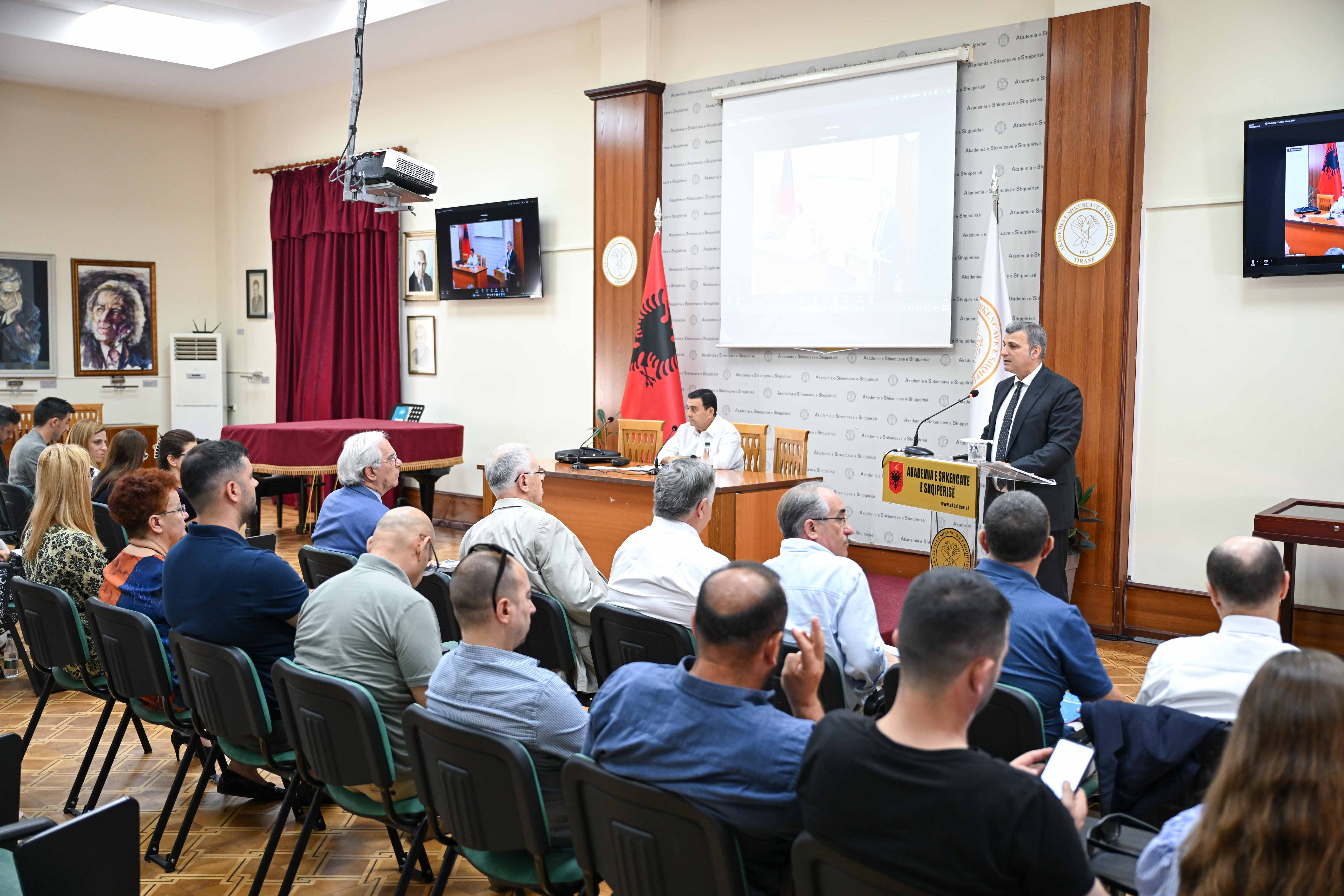
Statistical data confirm the positive impact of these reforms. The number of digital payments per capita has increased to twenty-nine per year, compared to just five payments a decade ago. Digital payments continue to grow by around 25% annually and now account for the largest share of total payments processed through our systems. The number of payment cards in circulation has reached 1.5 million, while the POS terminals’ network expands every month, covering an increasingly broad geographical area. These data reflect consolidated structural trends and confirm the strengthening of public confidence in electronic payment instruments.
Nevertheless, an objective assessment of the situation requires acknowledgment of the remaining challenges. Cash payments continue to dominate among small businesses, within the informal economy, and in areas with limited banking infrastructure. These gaps require a coordinated response.
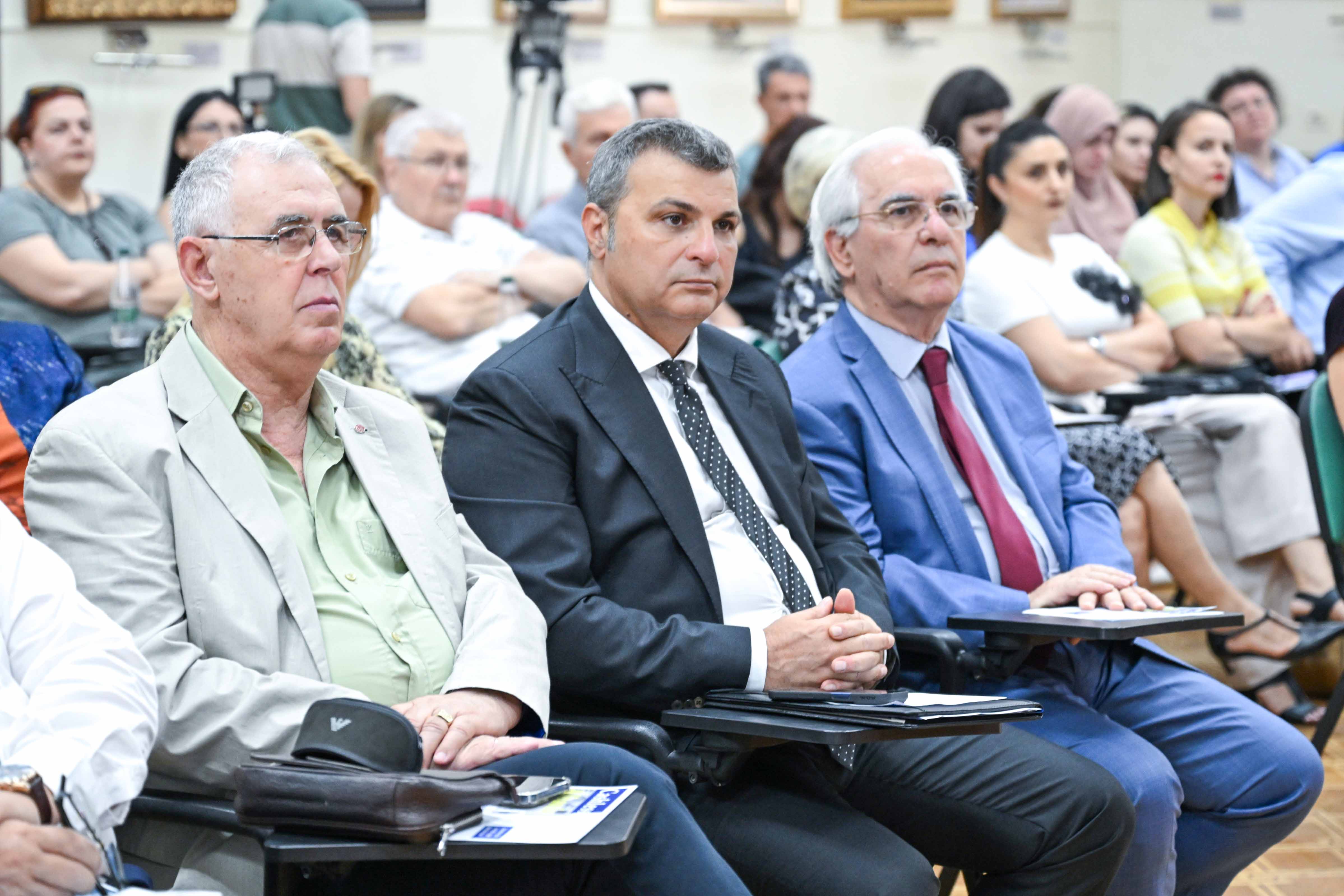
Regarding the medium-term outlook, allow me to outline the concrete institutional engagement of the Bank of Albania.
The main infrastructure priority for the period ahead is the implementation of a national instant payment platform, built on the TIPS model of the Eurosystem. This platform will ensure real-time processing of transactions, available 24/7, 365 days a year, thereby eliminating the operational limitations of current payment systems.
At the same time, we are drafting legal and regulatory amendments to enable direct access for payment institutions and electronic money institutions to national payment systems. This is an important development, as it provides a level playing field for payment service providers.
Finally, allow me to highlight one of the most crucial elements of our work, without which reforms cannot be fully successful:
financial education. Technical infrastructure, no matter how advanced, cannot deliver its intended impact if citizens are not equipped with the necessary knowledge and confidence to make use of it. The Bank of Albania has implemented financial education programmes in cooperation with the Ministry of Education and other public institutions and civil society organisations, with a special focus on educating young people. This commitment will continue to expand and be further structured in the period ahead.
Dear guests,
The transition towards a cashless economy cannot be attributed to the mandate of a single institution, as the modernisation of payment systems is the result of a broader institutional ecosystem.
The Bank of Albania provides the regulatory framework, the necessary infrastructure, and the oversight of the system. However, the success of this transformation depends on the full engagement of the banking sector, the financial industry, and, above all, citizens.
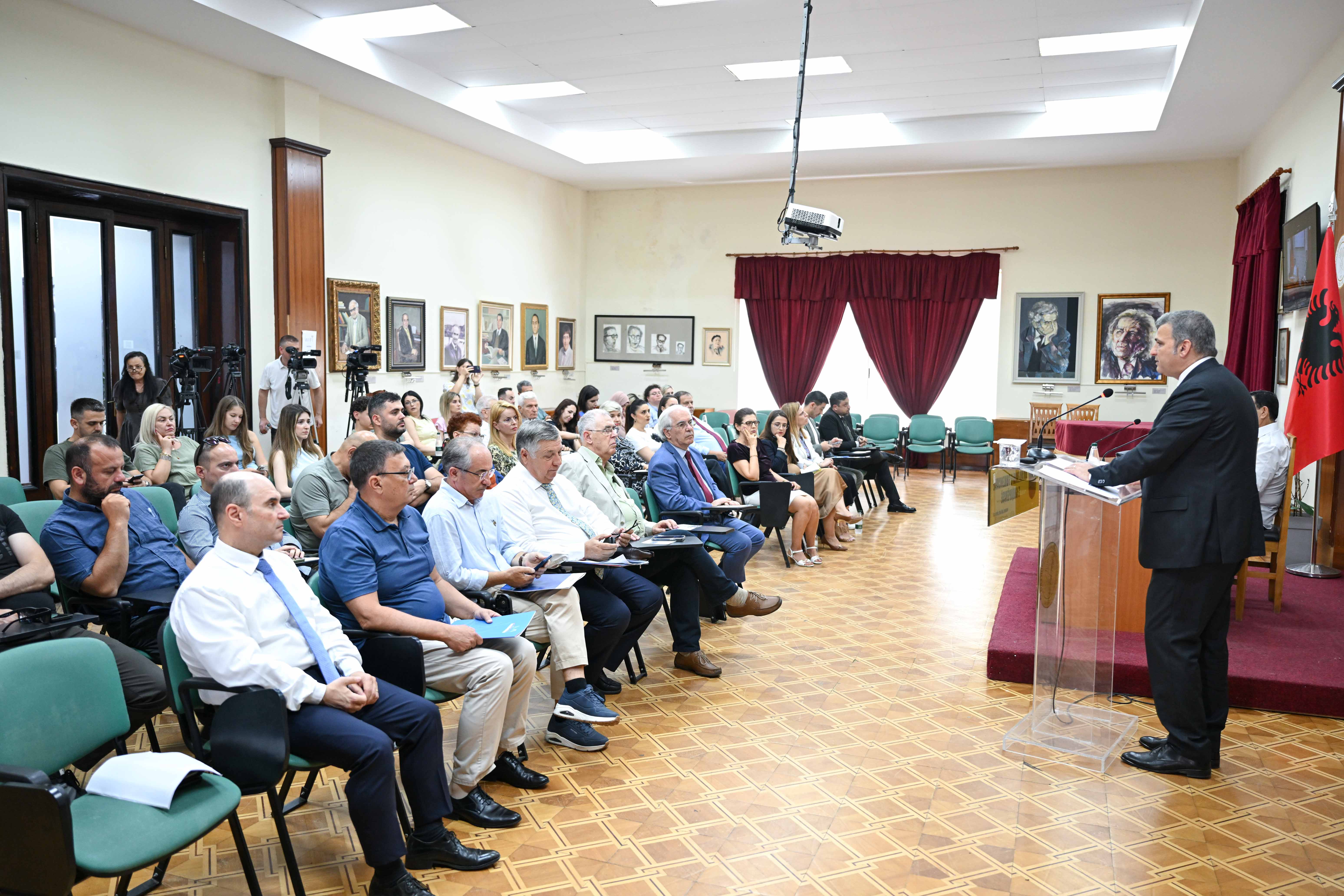
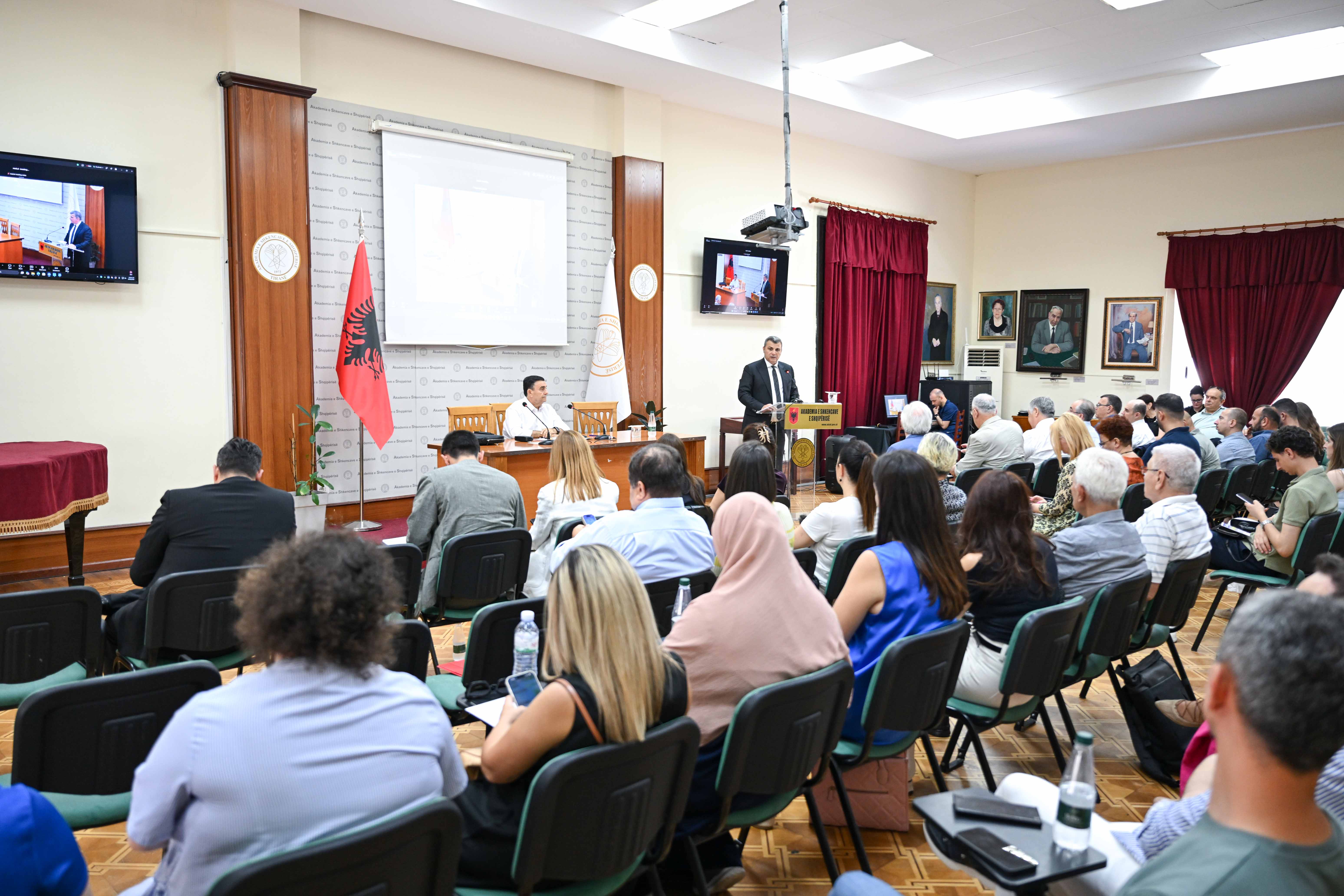
Forums such as this one, which bring together regulators, public institutions, academia, and sector experts, play a significant role in building consensus and consolidating the strategic direction. In this context, I would like to acknowledge the contribution of the Academy of Sciences of Albania, which, through the promotion of scientific dialogue and the organisation of such workshops, supports reforms and fosters greater financial and digital literacy in the country. The Bank of Albania remains committed to actively contributing to this dialogue and to continuing its collaboration with all institutional partners.
Thank You!
 Linkedin
 X
X
 Facebook
 Instagram
 Flickr
 Albanian Money App
 RSS
RSS
 Subscribe
 Contact
 Feedback