BANK OF ALBANIA
PRESS RELEASE
Eleventh Annual Meeting of the National Payment System Committee (NPSC)
Publication date: 16.12.2025
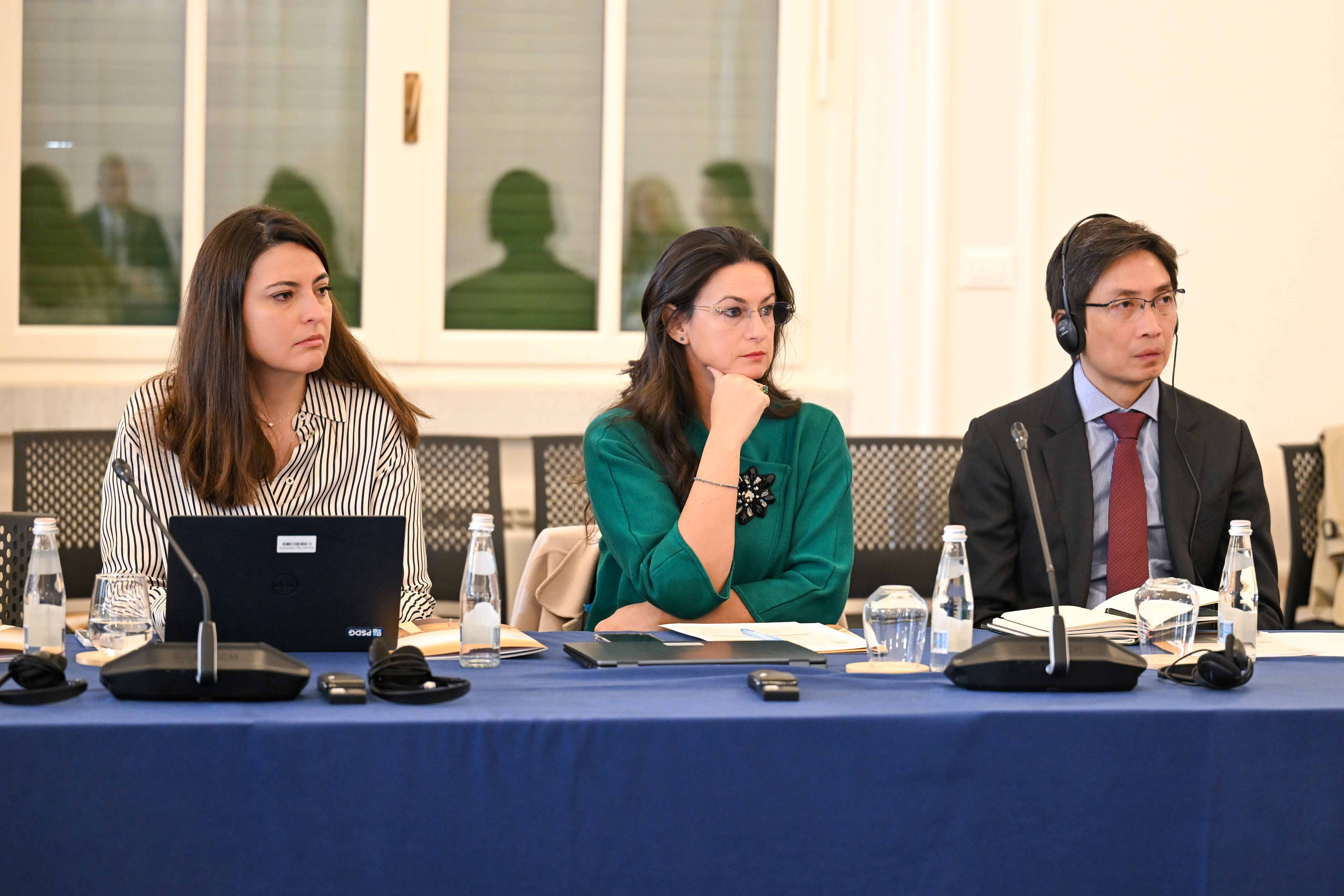
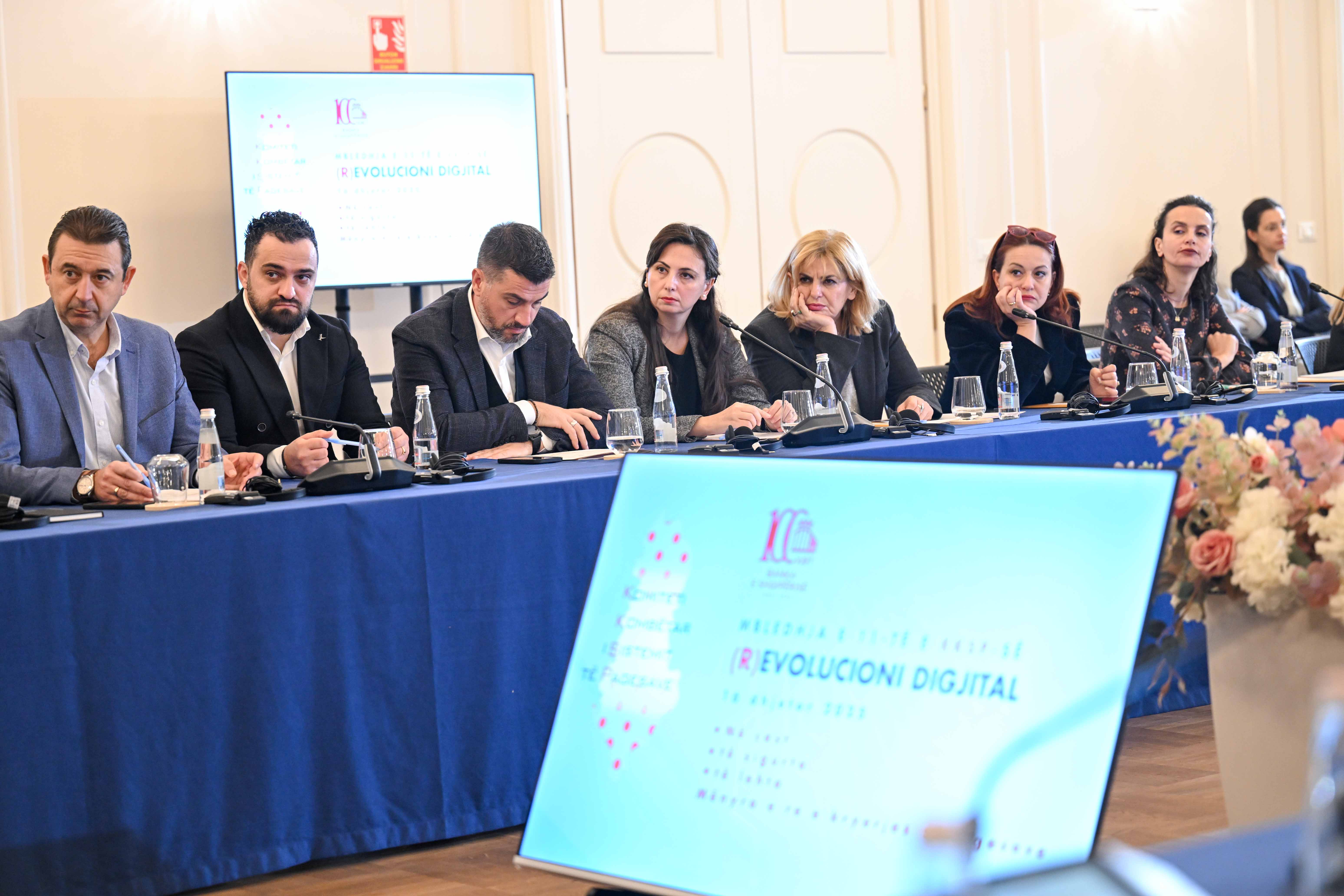
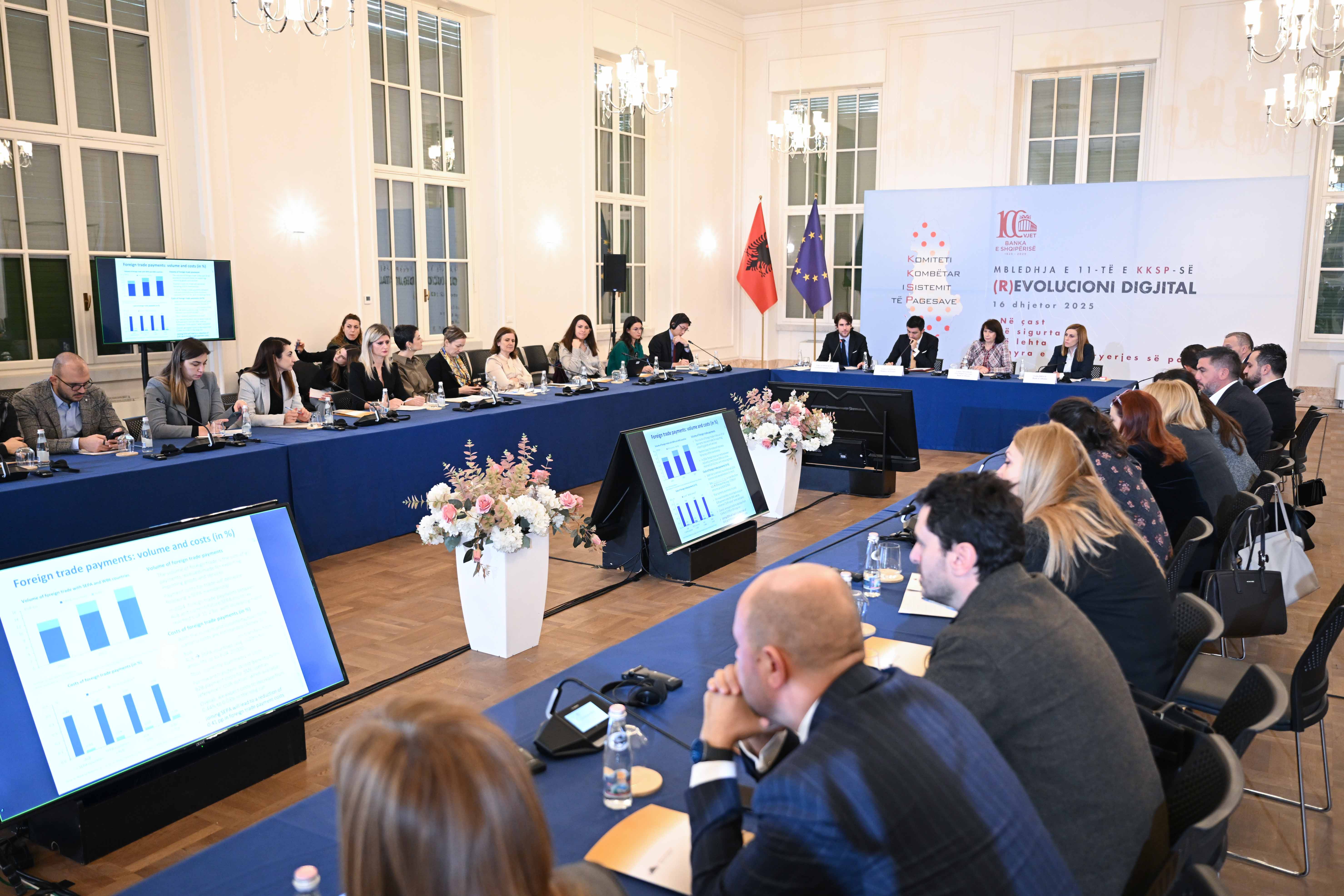
On 16 December 2025, the National Payment System Committee (NPSC) held the eleventh annual meeting at the premises of the Bank of Albania, chaired by Ms. Luljeta Minxhozi, First Deputy Governor of the Bank of Albania. Representatives from the Ministry of Finance, the World Bank, commercial banks, non-bank financial institutions, national card payment scheme operators, and other international institutions attended the meeting.
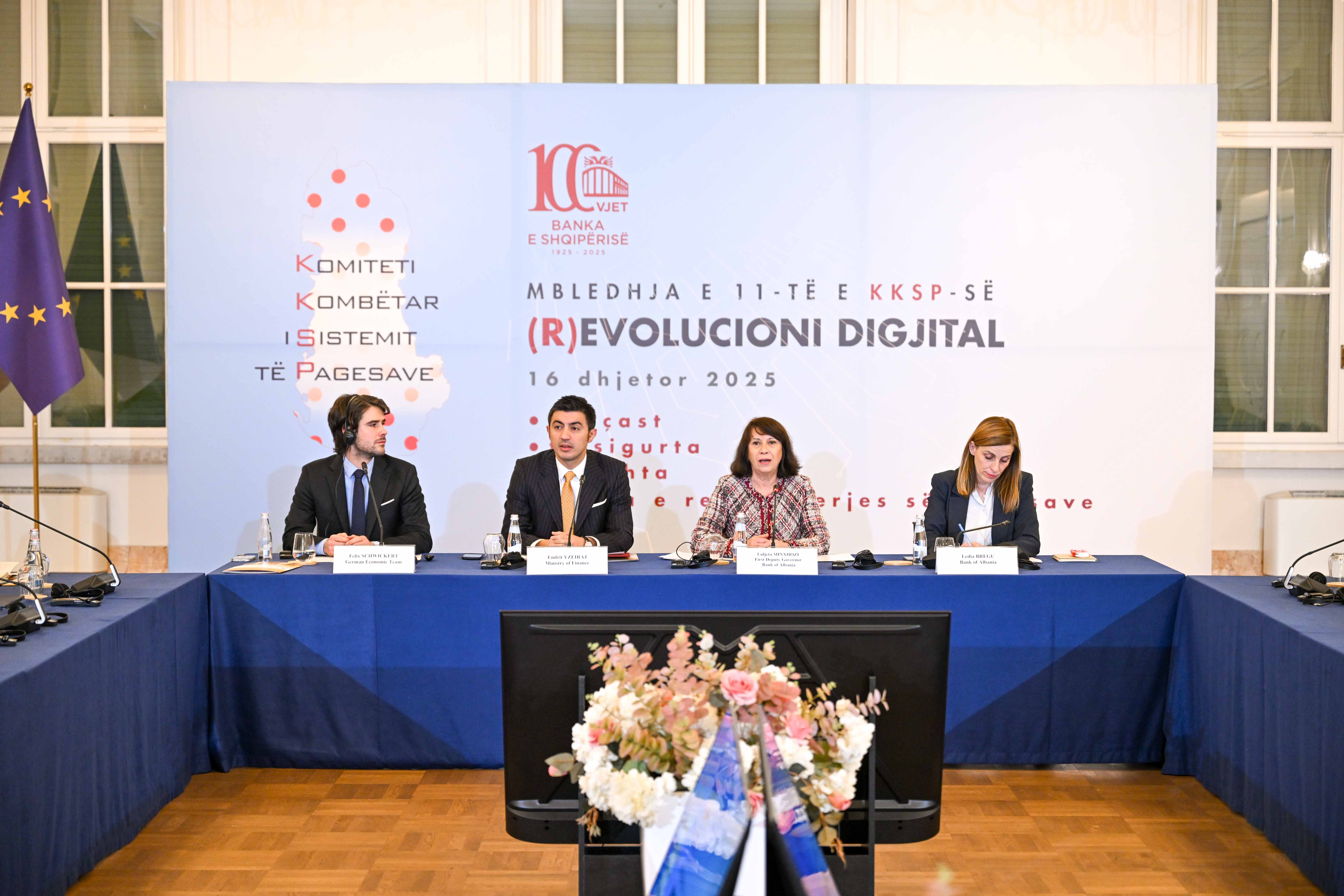
In her opening remarks, Deputy Governor Minxhozi emphasized the critical role of the National Payment System Committee in ensuring that technological transformations, in an economy that is digitizing at a rapid pace, advance in harmony with the with regulatory progress.
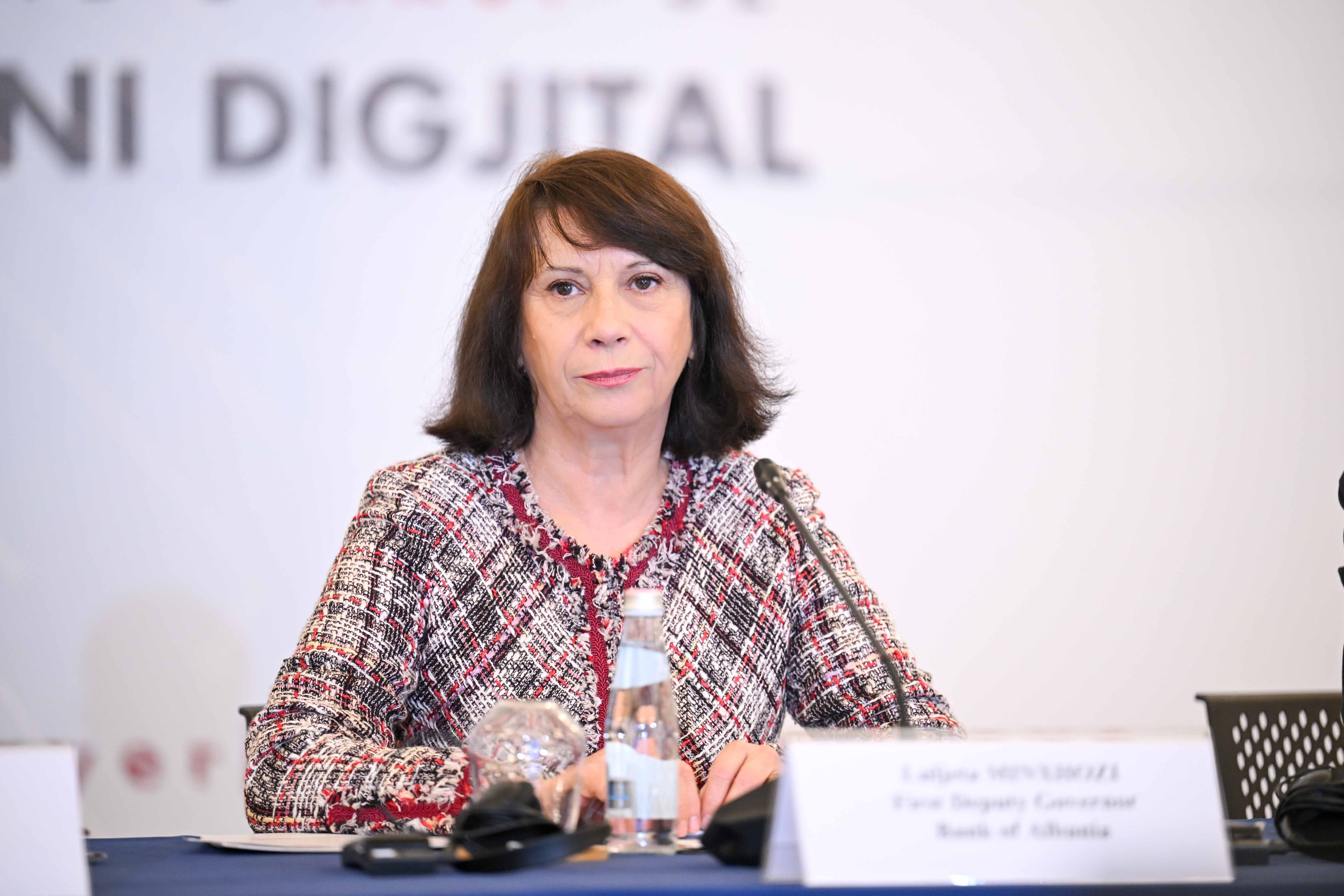
In her address, Ms. Minxhozi addressed the operationalization of SEPA transactions as of 7 October 2025, which represents one of the structural milestones of the Albanian financial system. Ms. Minxhozi highlighted the economic benefits for citizens and businesses arising from Albania’s accession to SEPA, including euro payments within SEPA under the same standards as in the European Union; fast payments and at low costs; simplified cross-border payment processes; increased transparency; and enhanced competitiveness of the domestic banking sector, through harmonized standards and advanced technologies etc.
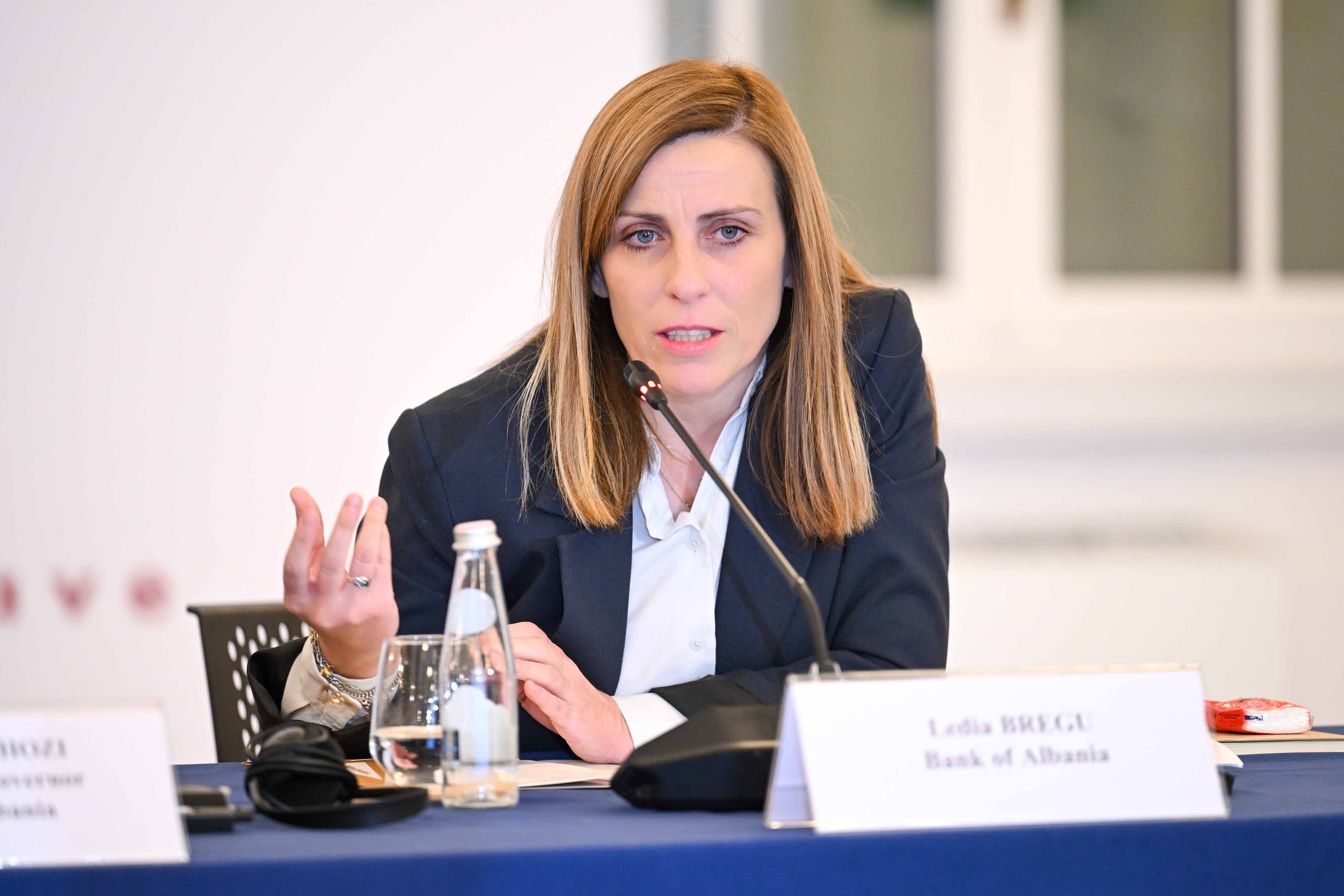
The First Deputy Governor also underscored the work carried out by the Bank of Albania in upgrading the national payment infrastructures—AIPS, AIPS EURO and AEC—through the implementation of ISO 20020 and SEPA standards for low-value payments. These standards ensure enhanced system stability and serve to prepare the infrastructure for receiving and providing advanced European services. Technological advancements in these systems have also been accompanied by regulatory measures aimed at promoting the use of electronic payments in the market, making them at a lower cost for the public.
Open Banking and its implementation by two institutions licensed to conduct these services is another important milestone achieved by the Bank of Albania in modernizing the payment system. The new banking model enables individuals to access their account data and conduct payments through third party providers, different from banks.
Deputy Governor Minxhozi also referred to another strategic project of the Bank of Albania — the TIPS Clone— which aims to establish a national instant payment platform compliant with the European standards. This project represents one of the pillars of the Albanian Government’s “Cashless Albania” initiative.
Ms. Minxhozi stated her confidence that, through close cooperation between the Bank of Albania and all market actors, Albania will ensure the development of a payment infrastructure decent for a country aspiring the EU integration.
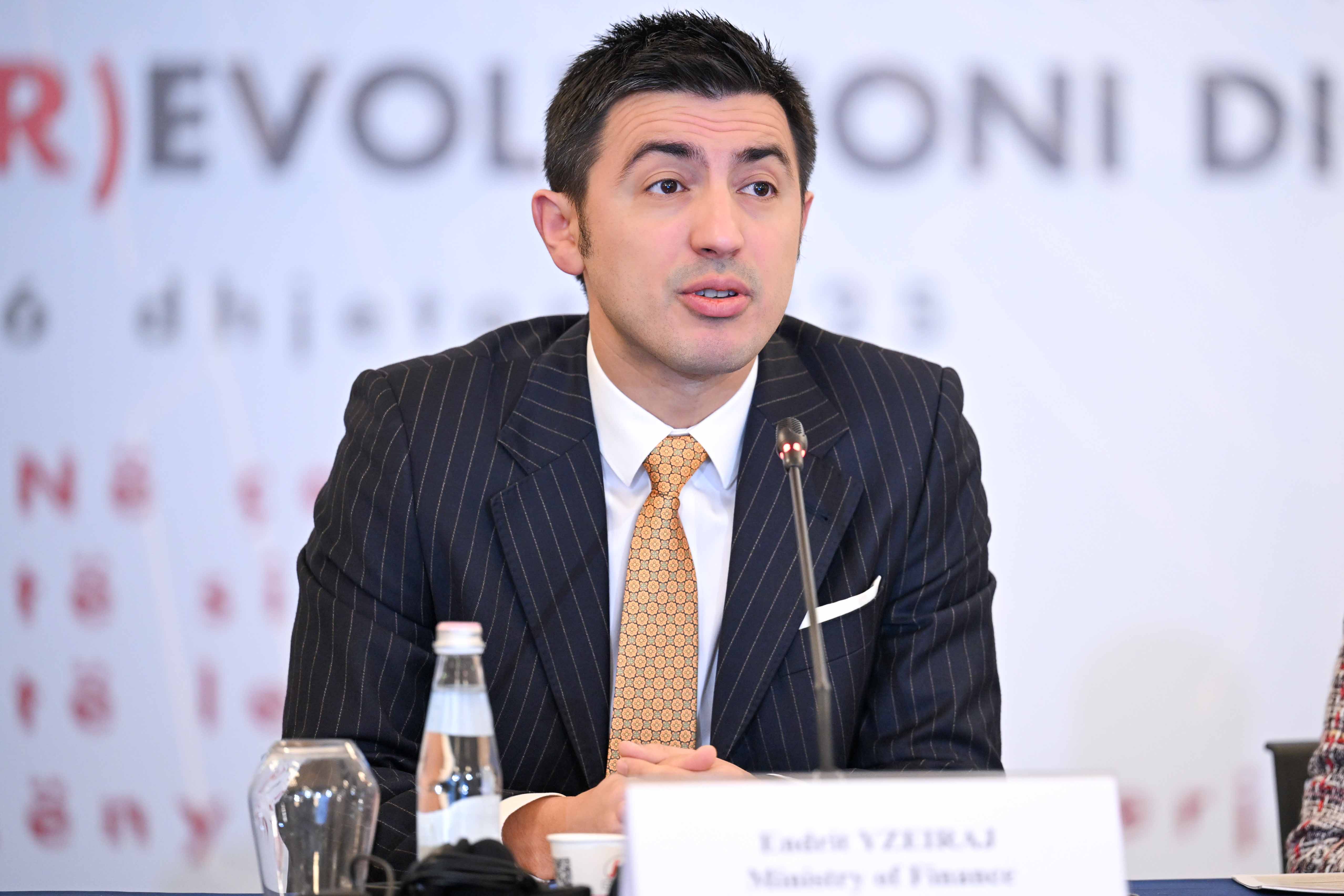
The meeting was also attended by the Deputy Minister of Finance, Mr. Endrit Yzeiraj, who underlined that the government’s “Cashless Albania” initiative represents a profound economic and social transformation, which Albania must pursue with determination to become a more modern and competitive economy. This initiative helps strengthen formalization and financial access for the citizens. Mr. Yzeiraj pointed out certain measures undertaken by the government in supporting digitalization, such as lowering the threshold of cash payments between businesses and providing electronic payment options for end customers. He expressed appreciation for the work done by the Bank of Albania in modernizing the payment system and reaffirmed Government’s support for initiatives emerging from the Committee aimed at promoting and developing digital innovations.
Next, the eleventh meeting of the National Payment System Committee (NPSC) continued with important presentations and discussions in the field of payments including the implementation of the TIPS Clone and Open Banking projects. Regarding digital payments, successful experiences from European countries applying this concept in the European market were also presented.
 Linkedin
 X
X
 Facebook
 Instagram
 Flickr
 Albanian Money App
 RSS
RSS
 Subscribe
 Contact
 Feedback