BANK OF ALBANIA
PRESS RELEASE
Launch of the EBRD Transition Report 2025-2026
Publication date: 27.01.2026
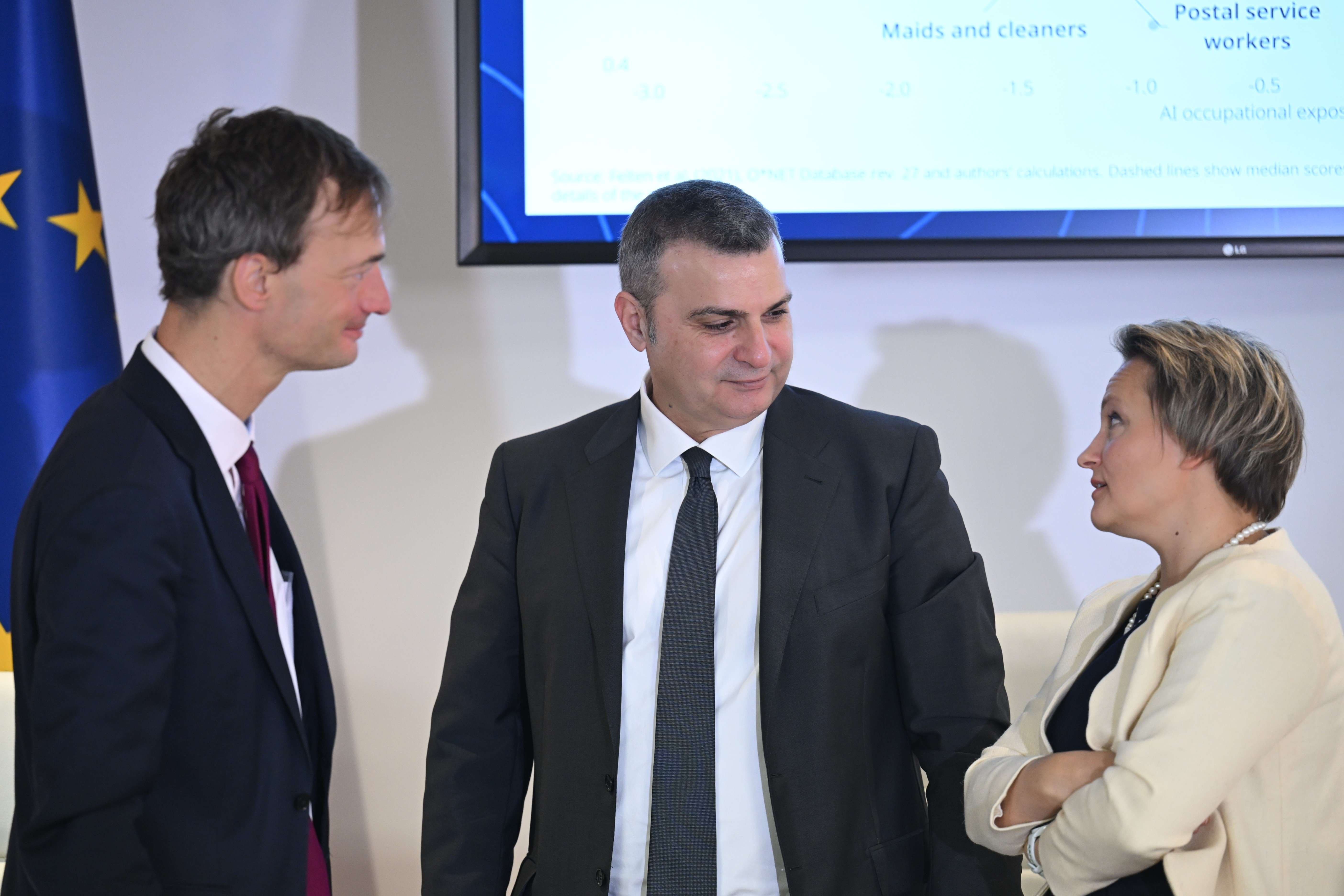
On 27 January 2026, the European Bank for Reconstruction and Development (EBRD) launched its Transition Report 2025–2026 at the premises of the Bank of Albania.
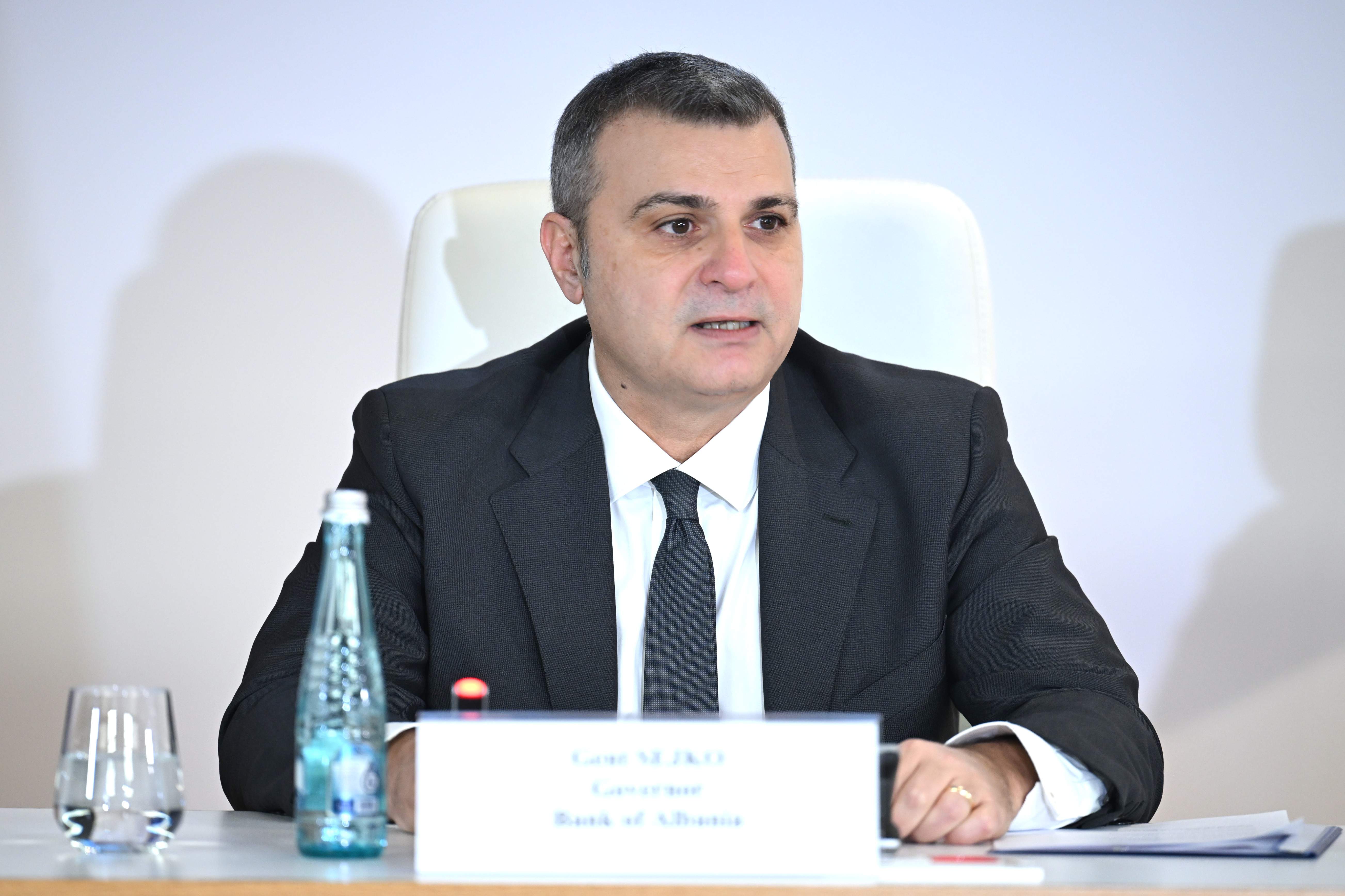
In his welcoming remarks, the Governor of the Bank of Albania, Mr Gent Sejko, emphasized the importance of the EBRD Transition Report as a key reference for economic analysis and policy discussions for 2026. He noted that the Bank of Albania was pleased to host this annual event, which brings together researchers, representatives of public institutions and the private sector, as well as stakeholders from the financial industry.
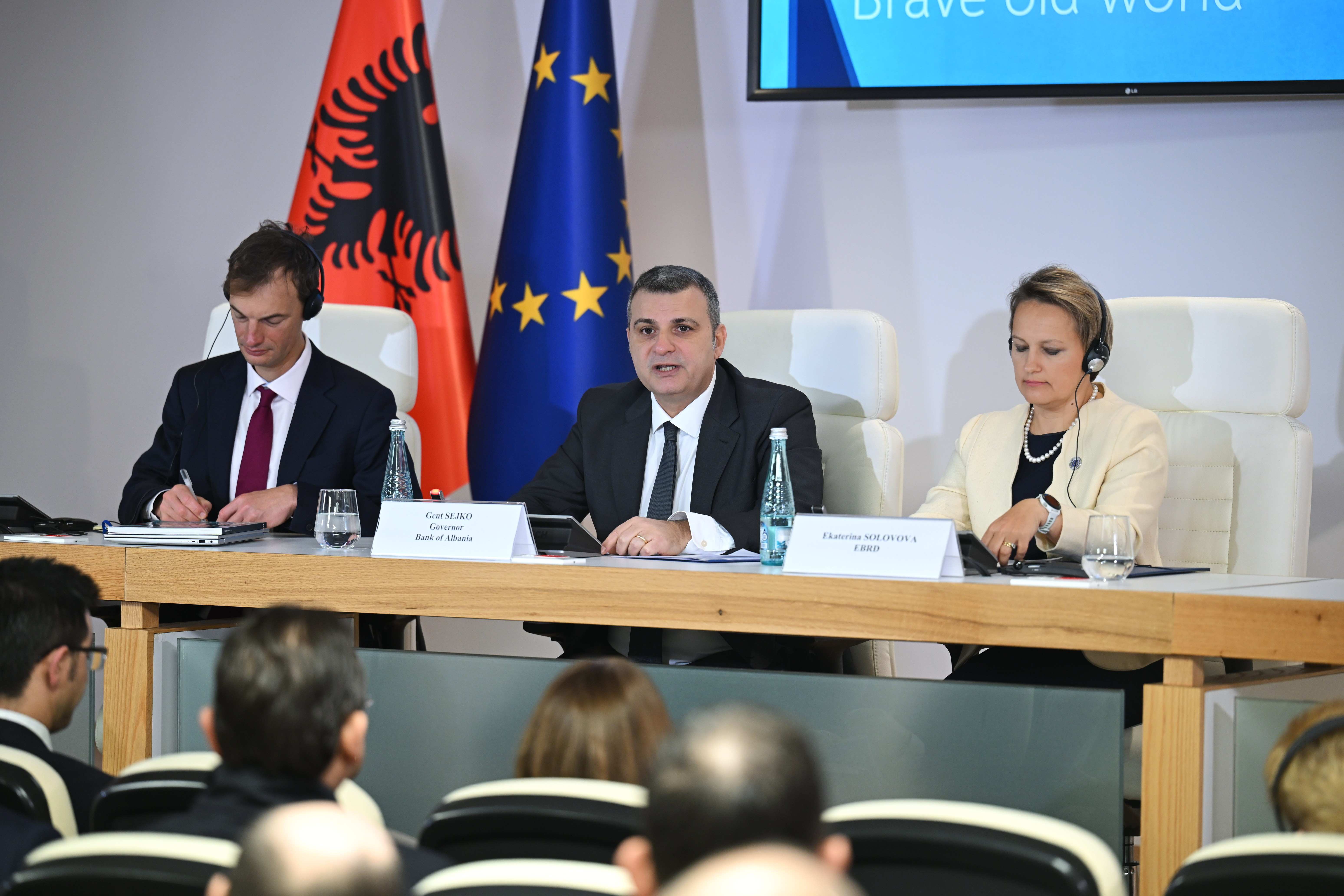
This year’s Report focuses on one of the most powerful yet often underestimated forces shaping our economies and societies: demographic change.
“Demography might seem like an abstract concept, but it is a fundamental force of development and prosperity of one’s society and we are currently living through a global demographic turning point that begs our attention,” said the Governor. As fewer people enter the labour force, more depend on pension and healthcare systems. These shifts are already putting pressure on productivity, public finances, political priorities, and long-term growth prospects across regions.
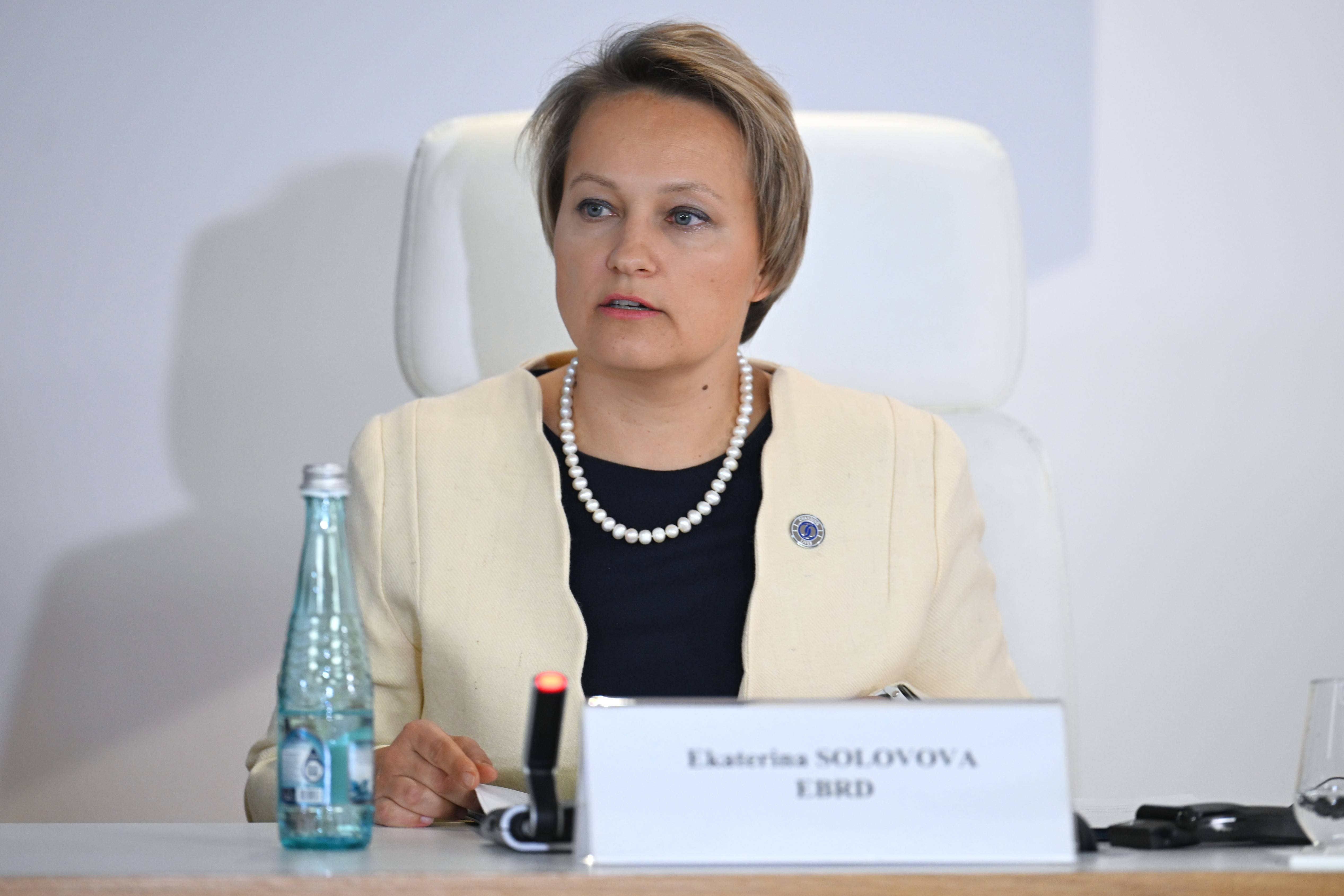
Next, Governor Sejko stated that the Bank of Albania has been concerned about these issues and demographic developments for almost a decade. Population ageing and emigration are early identified as defining challenges for Albania’s economic future. Rapid demographic transformation is reshaping Albania’s economy and society which are now facing similar challenges with the one highlighted in the Transition Report.
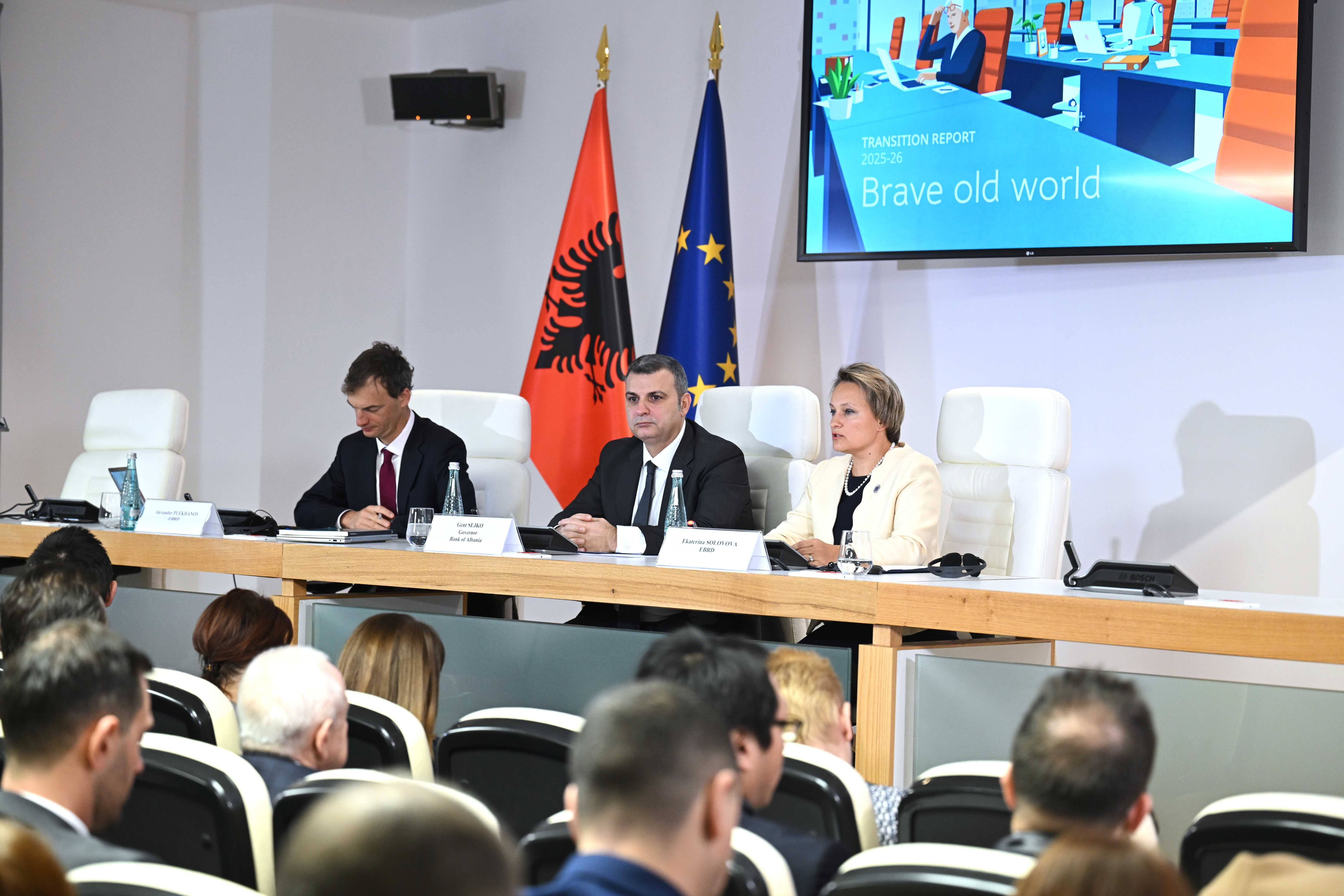
Mr Sejko added that emigration, once viewed as a mitigating factor for unemployment and poverty, is increasingly emerging as a structural challenge. Sustained economic growth, historically low unemployment, and labour shortages in key sectors have both made the long-term consequences of demographic change more visible to both businesses and households.
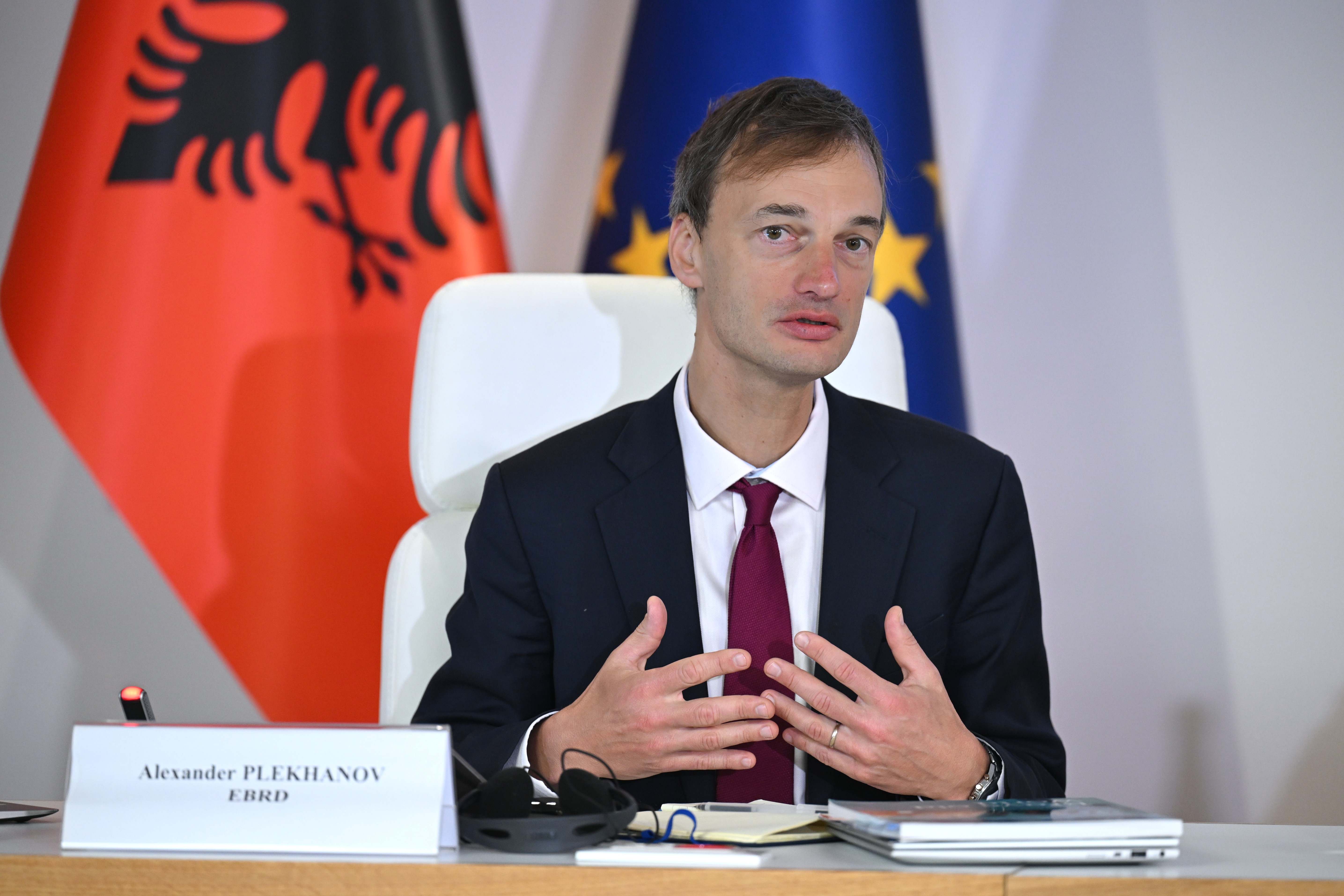
“However, the Albanian economy has demonstrated strong adaptability and resilience in recent years, supported by low inflation, steady economic growth, rising employment and wages, and an improving current account,” stated Governor Sejko. Labour market conditions have improved markedly, with employment increasing, unemployment falling to historically low levels, and labour productivity significantly higher than prior to the global financial crisis.
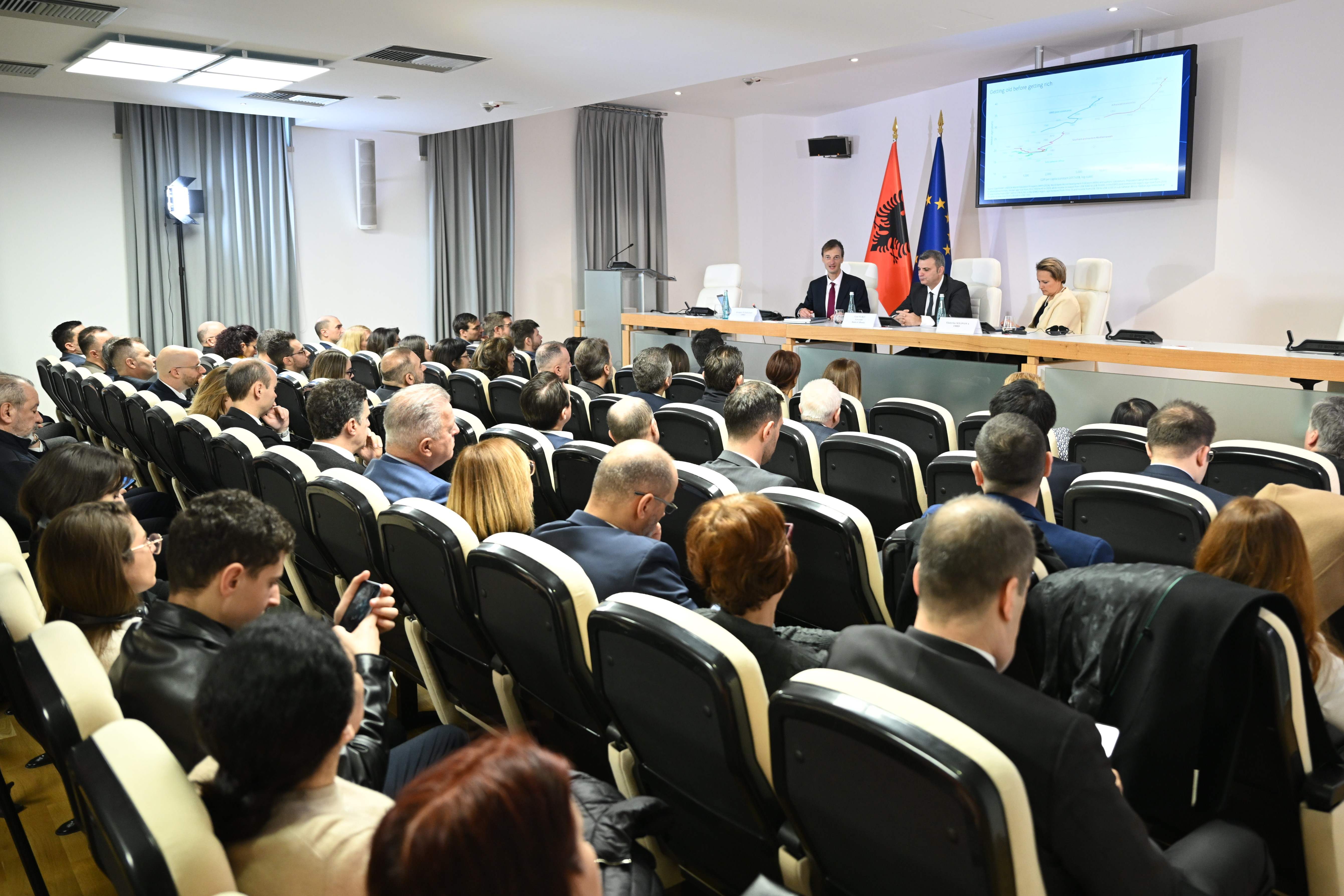
The Governor highlighted that the Bank of Albania has played a key role in these developments through a prudent, consistent, and proactive monetary policy focused on maintaining price stability and safeguarding purchasing power.
The report also offers a rigorous and policy-relevant framework to understand demographic change and its economic implications These national findings on Albania, strongly resonate with the broader conclusions of the EBRD Transition Report. Across Emerging Europe, ageing population and shrinking workforces are weighting on growth.
Next, Governor Sejko thanked the EBRD for its contribution and financial support through investments in various sectors of Albania’s economy.
The EBRD’s high-level representatives presented the EBRD Transition Report 2025-2026, as well as the assessments for the Western Balkans.
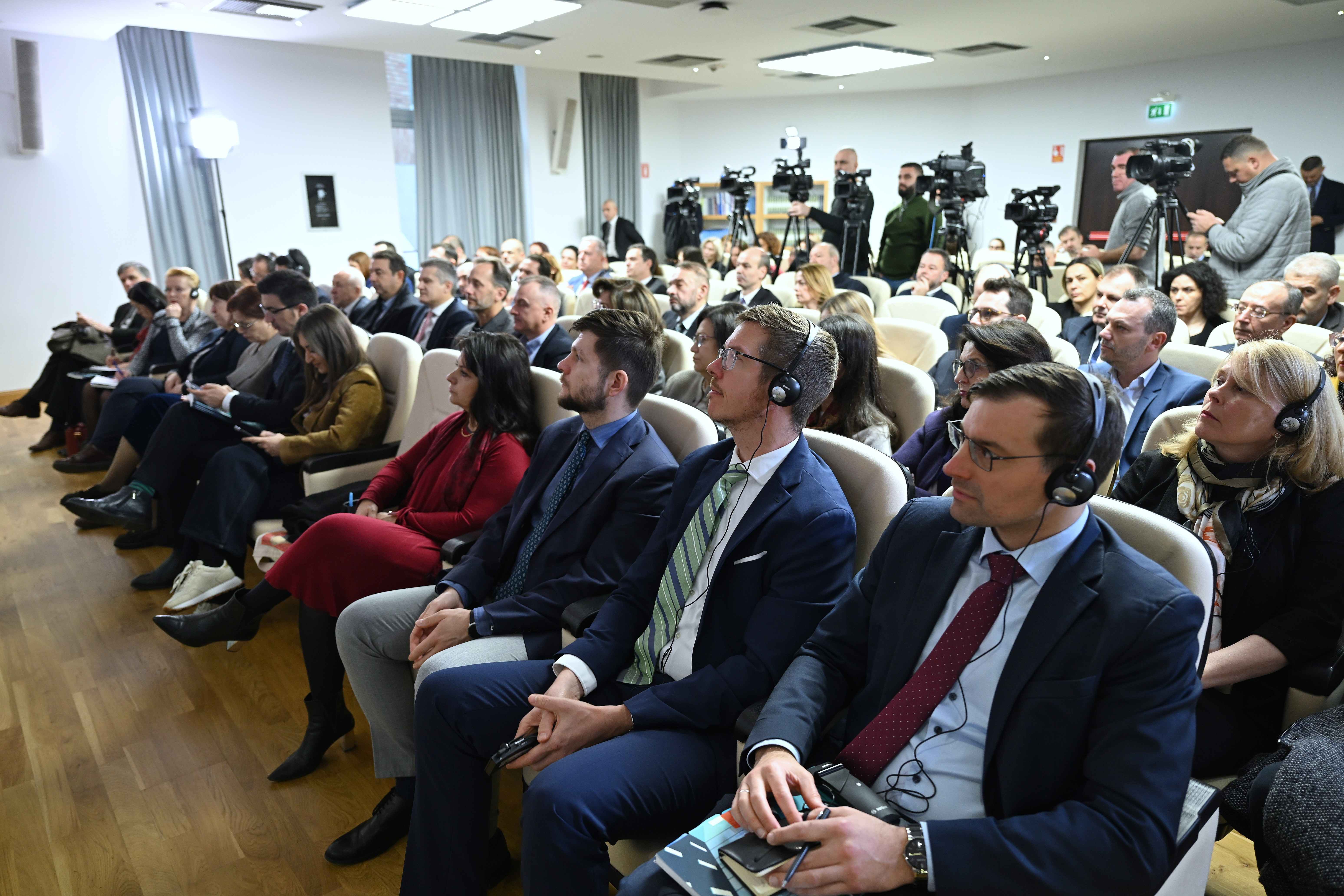
At the conclusion of the presentation, Governor Sejko, and representatives of the EBRD responded to questions from the audience and the media.
 Linkedin
 X
X
 Facebook
 Instagram
 Flickr
 Albanian Money App
 RSS
RSS
 Subscribe
 Contact
 Feedback